
 Product Catalog
Charging stations
Power Stations — Autonomous Energy Sources for the Frontline, Home, and Emergency Situations
Power stations are compact energy-generating solutions that store and deliver power where there is no access to the electrical grid. They are used on the frontline to power UAVs, electronic warfare systems, communication devices, and medical equipment. In the civilian sector, they became essential during blackouts — enabling people to charge laptops, phones, power lighting, refrigerators, and other critical equipment.
Battery power stations are also increasingly integrated into alternative energy systems — especially in combination with solar panels — as a path to personal energy independence.
Types of Power Stations: How to Choose the Right One for Your Needs
Power stations vary in capacity, size, and functionality — and choosing the right one determines whether it will meet your needs. Broadly, they fall into three main categories:
- Compact portable stations (up to 500W) — ideal for charging smartphones, radios, tablets, laptops, routers, and flashlights. Lightweight and convenient for mobile military groups, and also useful for civilians during short-term blackouts.
- Universal mid-range power stations (500–1500W) — capable of powering higher-consumption devices like Starlink, TVs, refrigerators, soldering tools, medical equipment, or drone battery chargers. This is the most popular class for homes, cabins, or mobile command posts.
- High-capacity power solutions (1500W and above) — built to power multiple devices simultaneously or even a full household grid. Often equipped with external batteries, long runtime, and the ability to charge from solar panels. A reliable option for command centers, long-term autonomy, or operations in harsh conditions.
When choosing a power station, also consider:
- Battery type — LiFePO₄ (durable, temperature-resistant) vs. Li-ion (lighter, more compact).
- Number and type of ports — USB-A, USB-C, 12V, 220V (AC), Anderson, XT60, etc.
- Pure sine wave inverter — critical for sensitive electronics.
- Charging options — from solar, vehicle, or grid.
- Expandable capacity with additional battery modules.
Where Power Stations Are Used: From the Frontline to Civilian Autonomy
Modern power stations are more than just “oversized power banks”. They’re multifunctional solutions that provide off-grid electricity in situations where grid power is unavailable or unreliable. They're widely used on the frontline, at home, during blackouts, and as part of integrated autonomous power systems with inverters and batteries.
Military Use
In frontline conditions, portable power stations are key to reliable electricity where generators are risky and grid access is nonexistent. They power UAVs, EW systems, radios, thermal imagers, laptops, chargers, and medical devices.
Especially valued in combat conditions:
- Silent operation — no noise or smoke
- Fast charging from the grid or vehicle
- Mobility, shock resistance, and reliability
For example, the portable MY22 station based on EVE LiFePO₄ cells is a compact solution allowing soldiers to power Starlink, charge laptops, tablets, or drone batteries. For command posts and mobile HQs, the BTRY BASTION station is ideal — a battery-powered solution with a built-in 5.5 kW inverter, four 230 V outlets, and up to 11 hours of runtime at a 1 kW load. Its rugged casing and shock absorption make it fit for field use and transport.
Civilian Use
In everyday life, autonomous power stations provide a reliable power source for private homes, apartments, cabins, campsites, or shelters. They help keep essential devices running:
- Refrigerators, routers, TVs
- Lighting systems
- Laptops, power banks, power tools
- Water pumps, mini ovens, and other appliances
Especially after the winter of 2022/2023, these stations became a necessity in many households. Well-known brands like EcoFlow set the trend for backup power, but now strong alternatives are emerging.
For instance, the MS36 model based on EVE LiFePO₄ cells is a reliable example for home or travel autonomy. It can power multiple household appliances simultaneously thanks to its large capacity (over 3.8 kWh), 10+ output ports, and pure sine wave output — making it safe for sensitive equipment.
During Blackouts and Energy Crises
Following mass power outages, autonomous energy systems became more than just a convenience — they’re vital for survival. They help power critical systems:
- Internet, lighting, communication
- Medical devices
- Heating system pumps
- Laptop and phone charging
- Emergency lighting
More advanced setups use hybrid inverters like the DEYE SUN-8K or DEYE SUN-12K, integrated with external batteries and solar panels, to ensure stable power throughout outages. These inverters switch automatically to backup mode, support multi-zone charge control, are compatible with LiFePO₄ batteries, and easily adapt to individual household needs.
These systems are especially relevant for those seeking full energy independence — creating home or office microgrid solutions.
Why Buy Power Stations from BTRY.ENERGY
We specialize in solutions that work under the most extreme conditions — on the frontline, in the rear, and during long-term power outages. That’s why our catalog includes no random products — only proven backup power sources with real field and civilian performance.
What you get when buying from us:
- Official and reliable equipment. All devices come with verified specs, official warranties, and clearly declared technical parameters. We don’t work with shady brands or sell anything that can’t handle real-world use.
- True technical consultation. A power station isn’t just a box with sockets. We help you choose the right model for your needs — whether it’s for drones, shelters, homes, comms, or solar autonomy setups.
- Defense energy expertise. Our solutions go beyond household needs. We design and assemble for EW&SIGINT systems, command centers, and mobile HQs — and we know what it takes not just to “work,” but to withstand wartime use.
- Support before and after the purchase. We’re always available to help with installation, load calculations, or extra components. And we can always answer your key questions: how long will it last, how to charge it, and what’s safe to plug in.
- Fast delivery, flexible payment. We operate officially, offer installment payments, and ship quickly across Ukraine & abroad.
Choosing Autonomy? We’ve Got You Covered
A power station isn’t about comfort — it’s about readiness. For outages, field missions, and risks. At BTRY.ENERGY, we work daily with military personnel, volunteers, civilians, and technical specialists — so we understand exactly what kind of solution can take the pressure.
We’ll help you choose a station that fits your situation — whether it’s an apartment, frontline post, shelter, or an off-grid system at home. A consultation takes only minutes — but the right power station can provide hours of stable electricity when it matters most.
Contact BTRY ENERGY — and get reliable power where you truly need it.
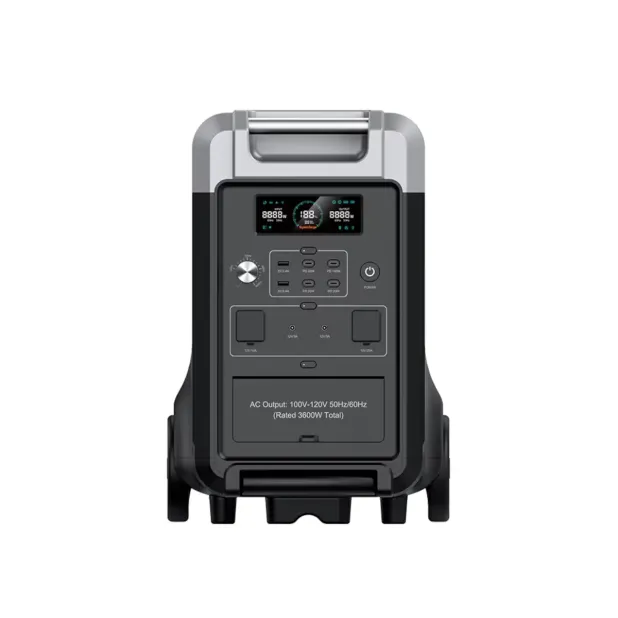
Capacity, Wh
3 840
Nominal voltage, V
48
Rated power, W
3 600
AC ports
5
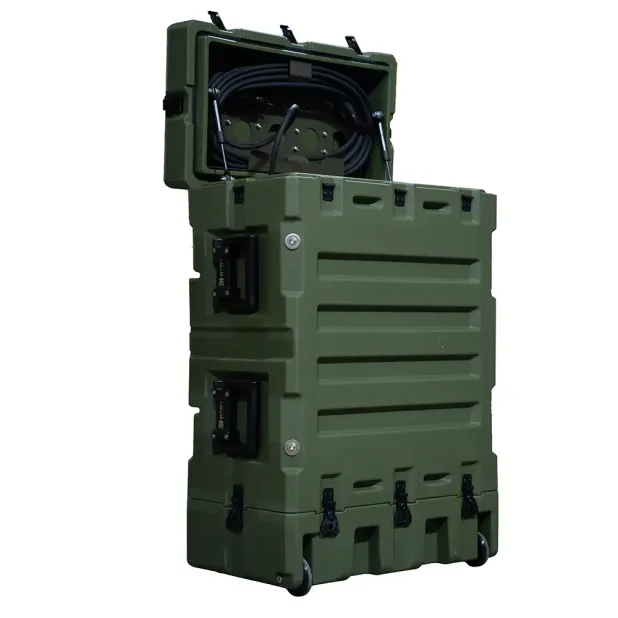
Portable power station BTRY BASTION 11,8 kW/h for strongholds
355 999 ₴
374 739 ₴
Capacity, Wh
11 800
Nominal voltage, V
51,2
Rated power, W
5 500
AC ports
4
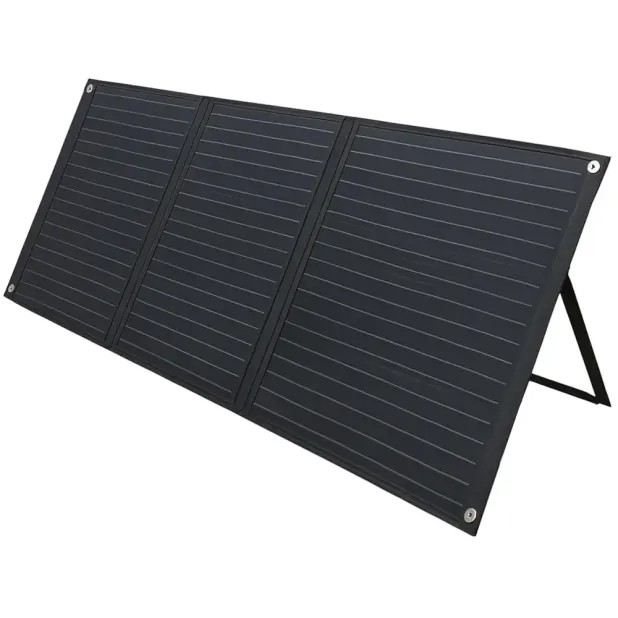
Rated power, W
200
Other output ports
XT60-MC4
Manufactured in
China
Type of Cells
Monocrystalline
Consultation
Need more information?
Would you like to learn more about BTRY.ENERGY or get a personal consultation - fill out the form and we will contact you


