Accumulators and batteries for EW and SIGINT
Li-Ion accumulators and batteries for EW
Modern electronic warfare systems require a stable and autonomous power supply capable of operating under high loads in difficult field conditions. That is why li-ion batteries for EW are actively used today in mobile EW complexes, portable stations, and specialized equipment. A high-quality battery for EW ensures stable equipment operation, protection against voltage drops, and prolonged autonomy.
Li-Ion (namely Li-NMC) technology allows achieving high energy density with relatively compact dimensions. Thanks to this, an EW battery can power systems for a long time without the need for constant recharging.
Batteries for autonomous operation of EW systems
Modern batteries for specialized equipment must operate in the most difficult conditions — in damp positions, at low temperatures, or in dust and vibration environments. That is why household battery solutions are not suitable here. Reliable power sources for EW systems and durable batteries for SIGINT, designed for field use, are needed.
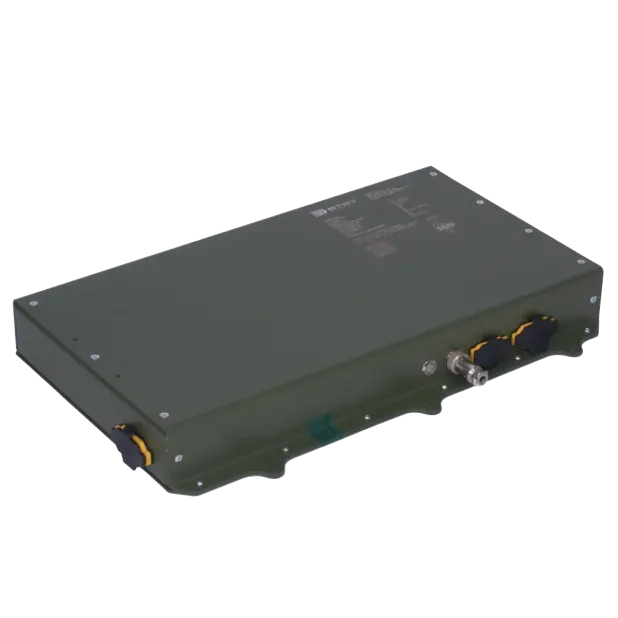
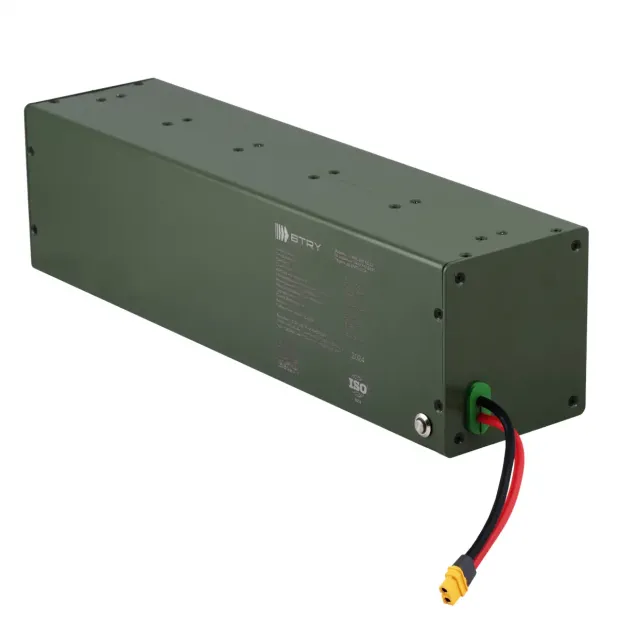
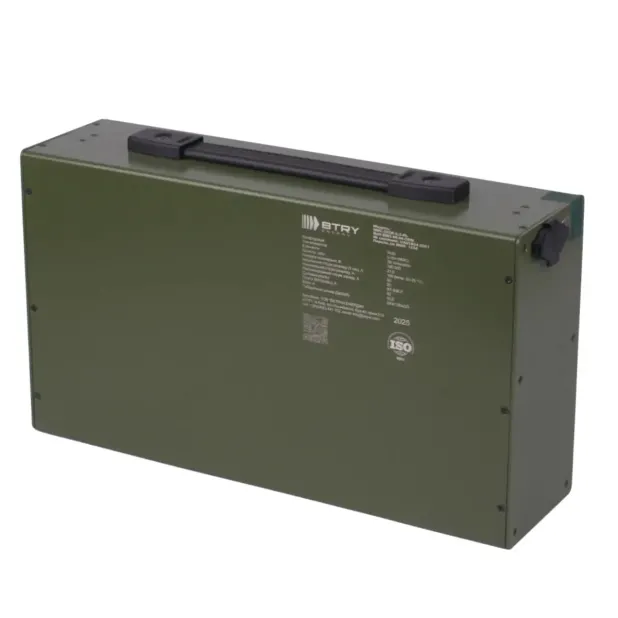
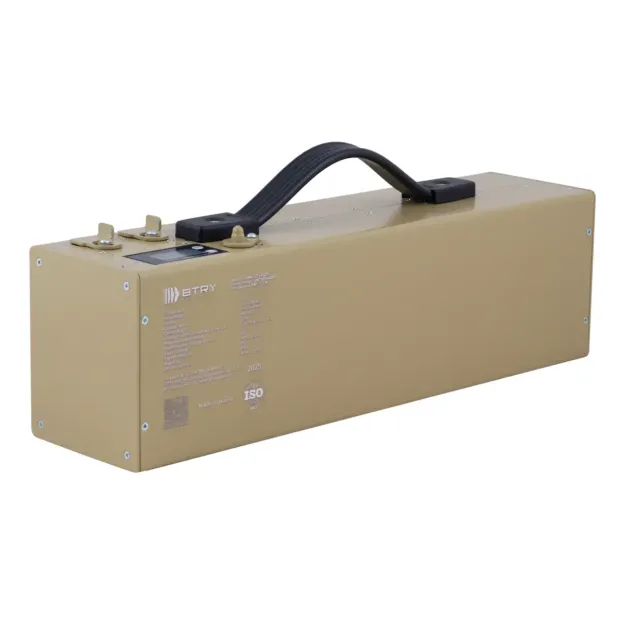
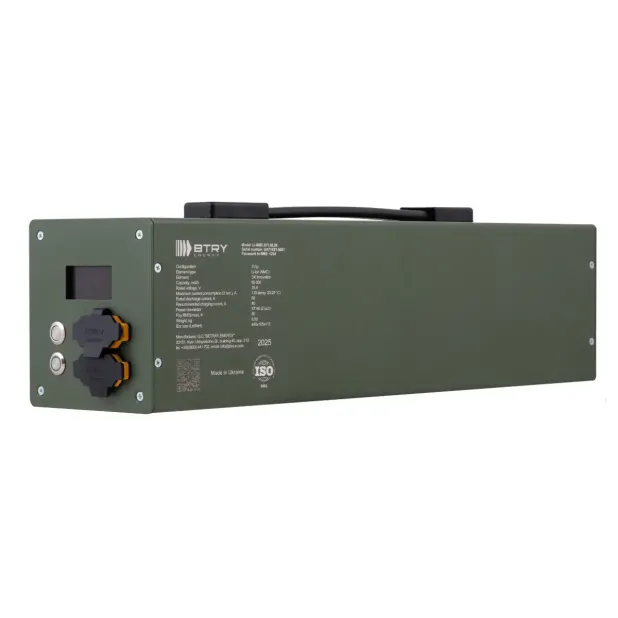
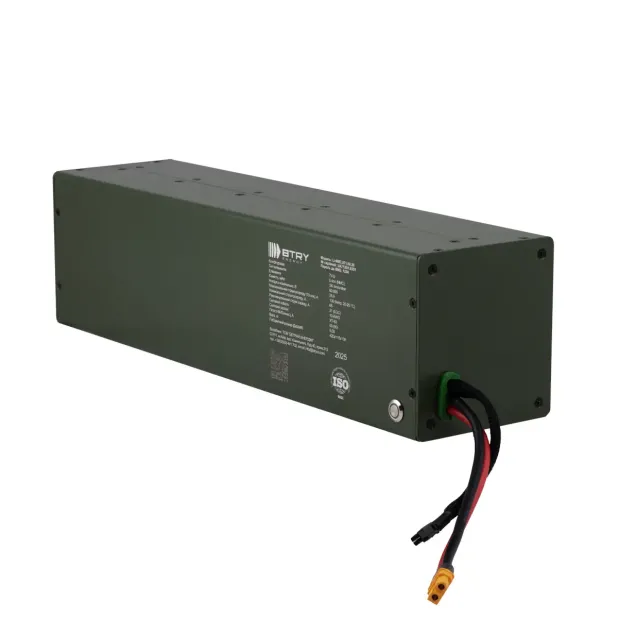
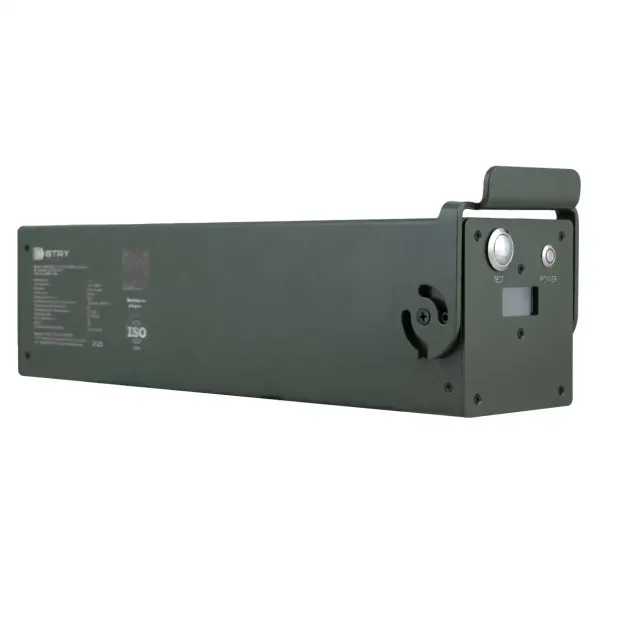
We have developed special battery assemblies for EW for such tasks, among which the most common configurations are:
- 6s1p — a balanced option for portable EW devices or individual modules;
- 6s3p — a more powerful assembly with greater capacity, providing hours of continuous operation;
- 7s1p — increased voltage up to 29 V for more powerful EW systems where stability is critical;
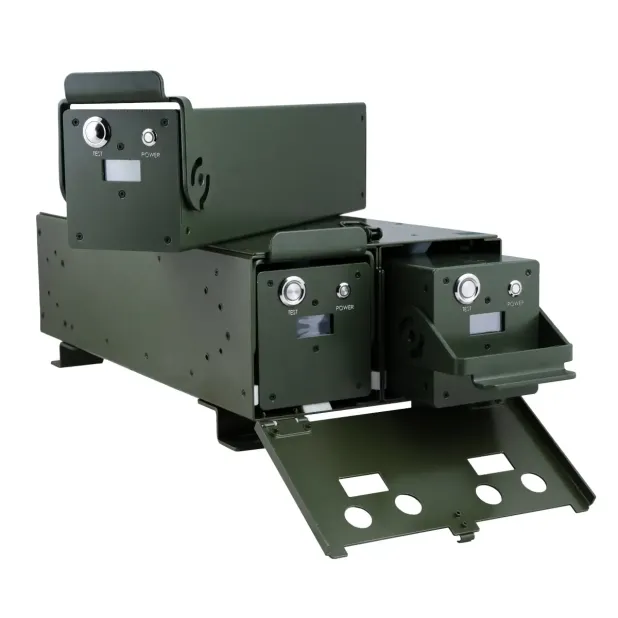
- ENERGY MODULE — a cassette-type system for uninterrupted power supply of EW/SIGINT equipment in transport. It uses specialized 7s1p battery assemblies.
They are used in antenna systems, EW cases, mobile control panels, modems, repeaters, and even in field radio stations.
A reliable battery for EW ensures:
- stable power supply;
- overload protection;
- long autonomous operation;
- high energy efficiency.
Especially important are BMS systems, which control the balance of cells, temperature, and battery charge level.
Batteries for SIGINT and autonomous power supply
A modern battery for SIGINT is used in mobile signals intelligence systems, autonomous observation posts, and other specialized equipment. A high-quality battery for SIGINT must ensure uninterrupted power supply to electronics even in harsh operating conditions.
Li-Ion solutions allow significantly reducing the weight of the equipment and increasing the autonomous operation time. That is why li-ion batteries for EW and SIGINT have become one of the most popular solutions for modern mobile systems.
Advantages of Li-Ion batteries for EW
Modern li-ion batteries for EW have a number of important advantages:
- high energy density;
- long cycle life;
- compact dimensions;
- stable voltage;
- low self-discharge rate.
A high-quality battery for EW allows ensuring the stable operation of systems even under prolonged loads. Also, batteries for EW have better efficiency compared to standard lead-acid solutions.
Buy a battery for EW and SIGINT
If you need to buy a battery for EW, BTRY.ENERGY offers a wide selection of modern Li-Ion solutions for the autonomous power supply of specialized systems. We manufacture battery assemblies for EW taking into account the required voltage, capacity, and current characteristics.
We offer:
- reliable 6s1p, 6s3p, 7s1p configurations;
- assemblies on SK Innovation cells;
- 100% verification of each cell and strict quality control;
- equipment with Bluetooth monitoring;
- consultations before ordering.
Our team regularly receives feedback on batteries for EW and SIGINT, which undergo real combat testing in actual conditions. We constantly improve the assemblies based on feedback from military and technical specialists to make the product even more reliable.
How to choose a battery for EW systems
Before choosing a battery, it is important to consider:
- power consumption of the system;
- required autonomous operation time;
- operating voltage;
- weight and dimensions;
- operating conditions.
A high-quality battery for SIGINT or EW must have a reliable BMS system and protection against short circuits, overheating, and overload.

 Product Catalog