
 Product Catalog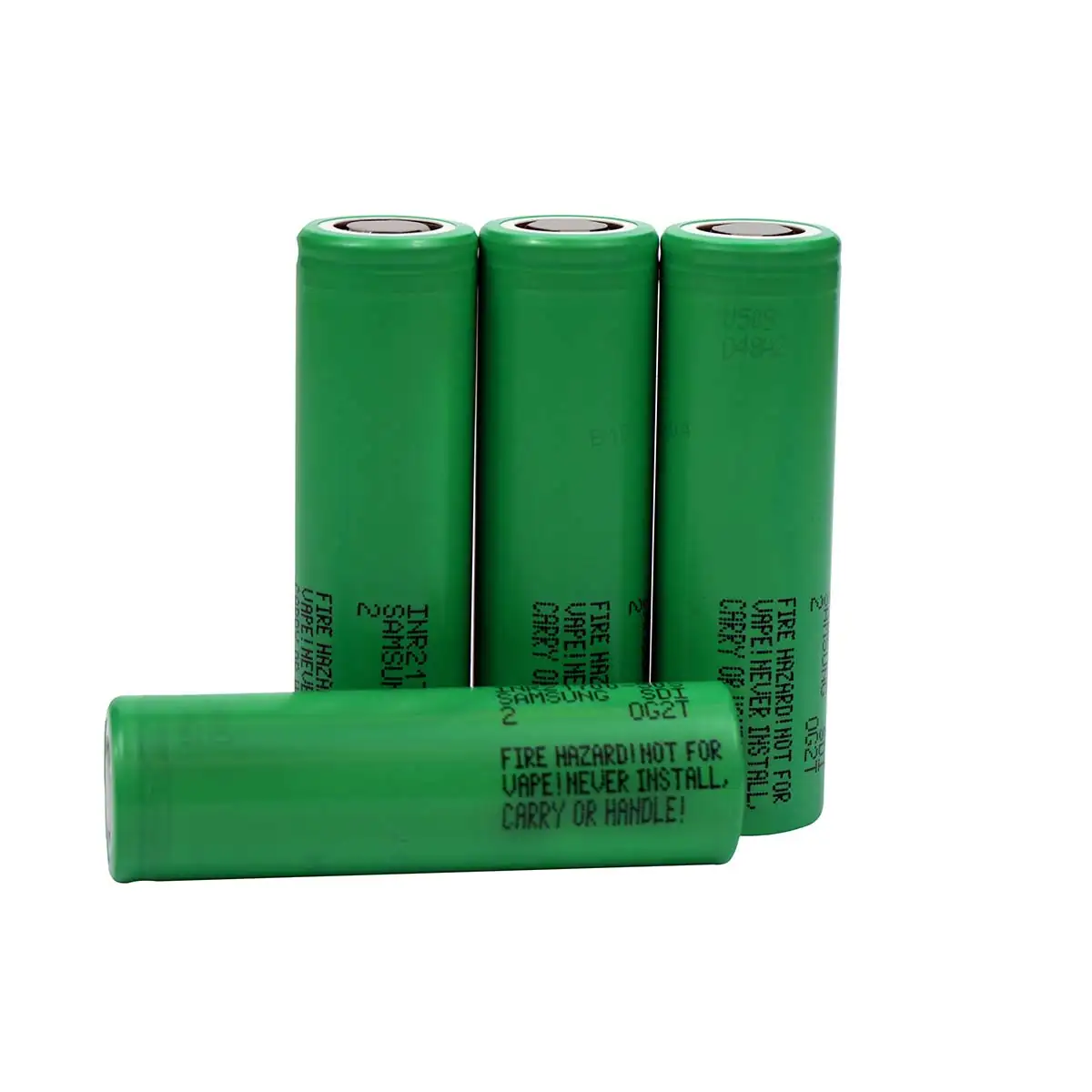
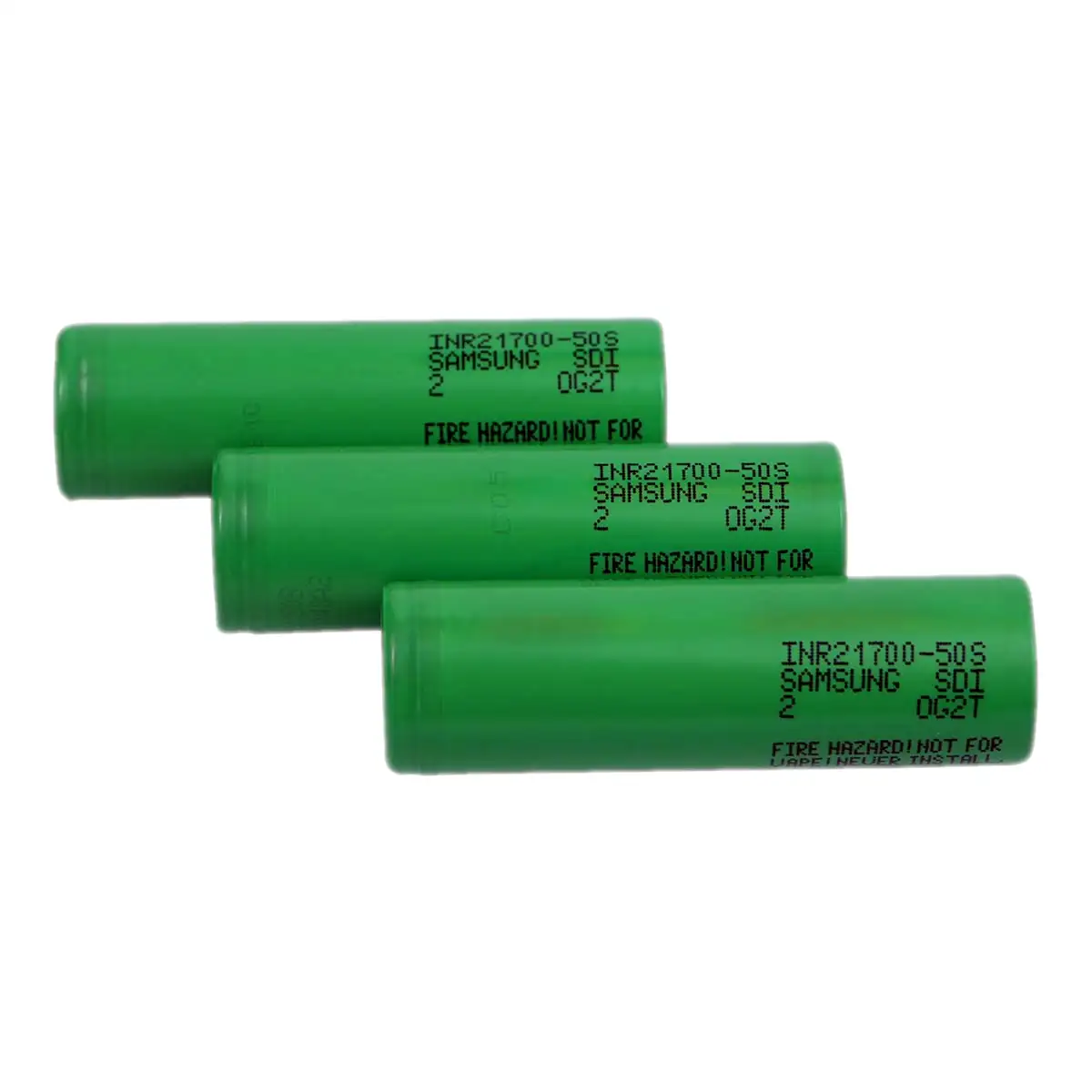
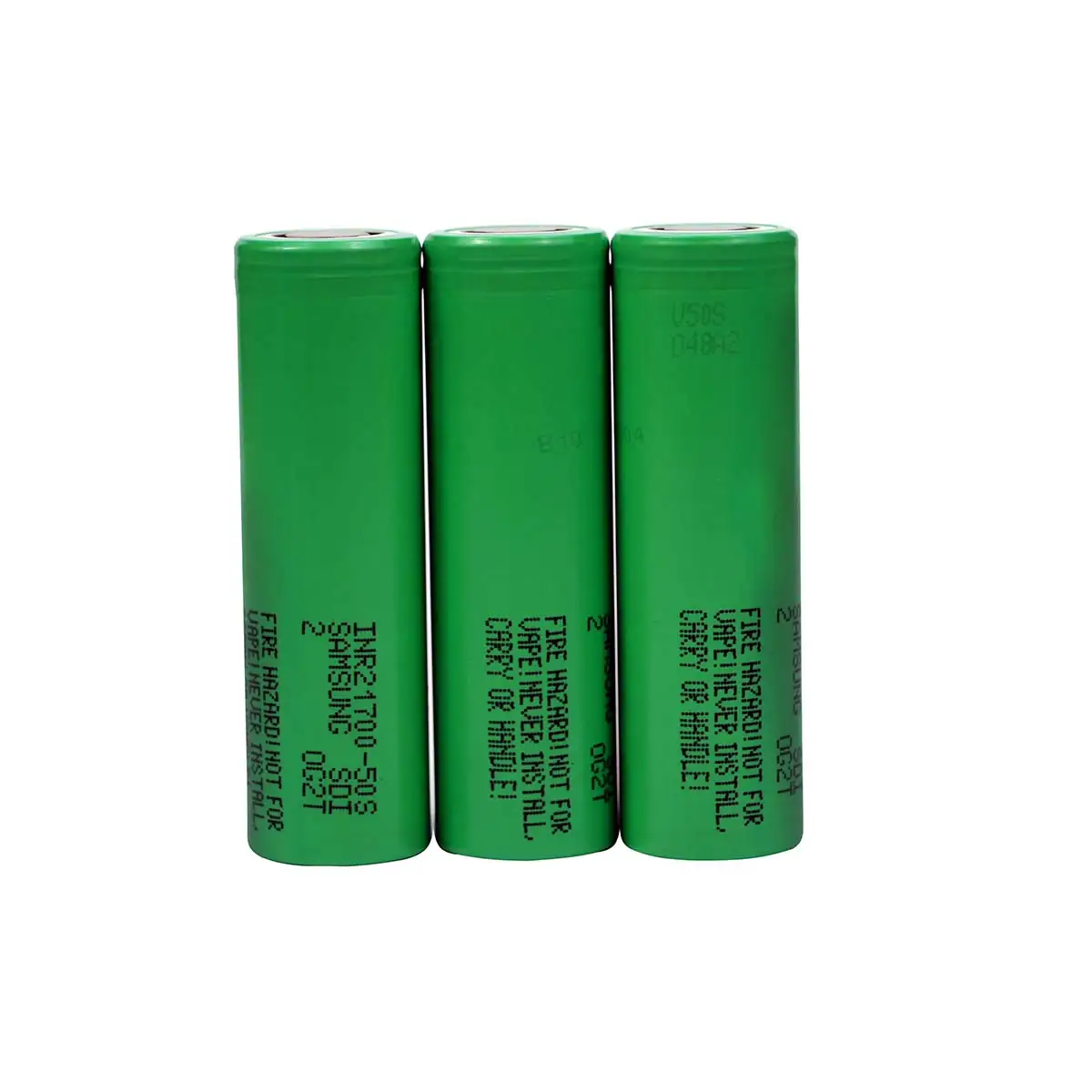
C rate — is a technical indicator of current output. It defines how quickly a lithium-ion battery can safely deliver or receive charge relative to its capacity. For FPV drones and FPV quadcopters, this parameter is important because it affects the drone’s maneuverability and its ability to meet power demands. If we take our Lishen LR2170LA lithium battery with a peak discharge current of 45A as an example, the approximate C-rate is about 11C. This means the permissible load is roughly 11 times the capacity of 4000 mAh. In practice, a high C-rate ensures stable power delivery and reliable operation for combat FPV drones.
Let's start with the fact that both types are lithium batteries, which simply have different chemistry inside. What can be said about lithium-ion? LiIon batteries release energy longer because they have a lower C-rate. Yes, it is not suitable for FPV racing, but on the front line, where longer flights are required for drones such as FPV reconnaissance drones, it is the most suitable option. Now let's talk about LiPo. Lithium polymer (LiPo) is a soft pack, the advantage of which is a higher maximum current output for aggressive flight. This type of battery is suitable for people who are interested in drones as a hobby, which is more common in the West. Our high-current Li-ion assemblies combine energy capacity and sufficient current output of 90A, making them the ‘gold standard’ for impact FPV drones.
Although this topic has already been mentioned, let's go into more detail. There are two types of connections: serial and parallel. In fact, the number of different types of connections is called a ‘configuration.’ For example, in our assembly, the configuration of the elements will be 6S2P, where 6S is responsible for the serial connection and 2P for the parallel connection. For drones, the basic configuration is 6S (6 Series). Six serial connections are responsible for the voltage, where each element has a nominal voltage of 3.6 V, giving a total voltage of about 22 V (rounded), which is required for powerful UAVs. Then, depending on the drone used, the battery capacity is selected and parallel connections are added. The designation 2P (2 Parallel) means a parallel connection that doubles the capacity and current output: if one cell has 4000mAh, then 2P = 8000mAh.
This is a really important question. Especially since FPV quadcopter kits do not include a BMS board, which is responsible for safety and balancing the cells. However, the battery has a built-in QJ JST-XH 6S balancing cable for proper battery charging. What is ‘proper charging’ as a definition? Proper charging is the even distribution of energy across the cells, which helps to avoid imbalance in the battery and prevents overheating and overloading. ‘Battery Chargers’ were created to ensure proper charging. These devices usually have standard XT60 or XT30 connectors, as well as a connector for connecting a balancing cable. Next, all you need to do is connect the XT 60 cable and the 6s balancing cable on the battery to the charger, set the charging parameters required by the LiIon battery, and wait for it to charge.
The first thing you need to know is not to store Li-ion batteries fully charged (up to 25.2 V) or fully discharged. The recommended storage voltage is provided by the manufacturer and is labelled ‘Storage Voltage’, which usually means 3.7–3.8 V per cell, i.e. 22.2–22.8 V for a 6S assembly. Storing in ‘Storage’ mode minimises capacity degradation. Now let's talk about how to store rechargeable batteries, more specifically about the temperatures at which they should be stored. Li-ion chemistry requires a cool, dry space (10–20°C), not too cold or too hot, i.e. away from the sun and heat sources, but not in the refrigerator. It is also important to know the consequences if the battery is exposed to unfavourable thermal conditions: in cold weather, maximum capacity is lost and the battery's life is shortened; in hot weather, gas forms inside the cells, causing overheating or, in the worst case, battery explosion.


