
 Product Catalog
29.04.25
Have you ever considered how batteries influence the performance of unmanned aerial vehicles (UAVs)?Would you be able to choose the right battery to meet your specific needs?
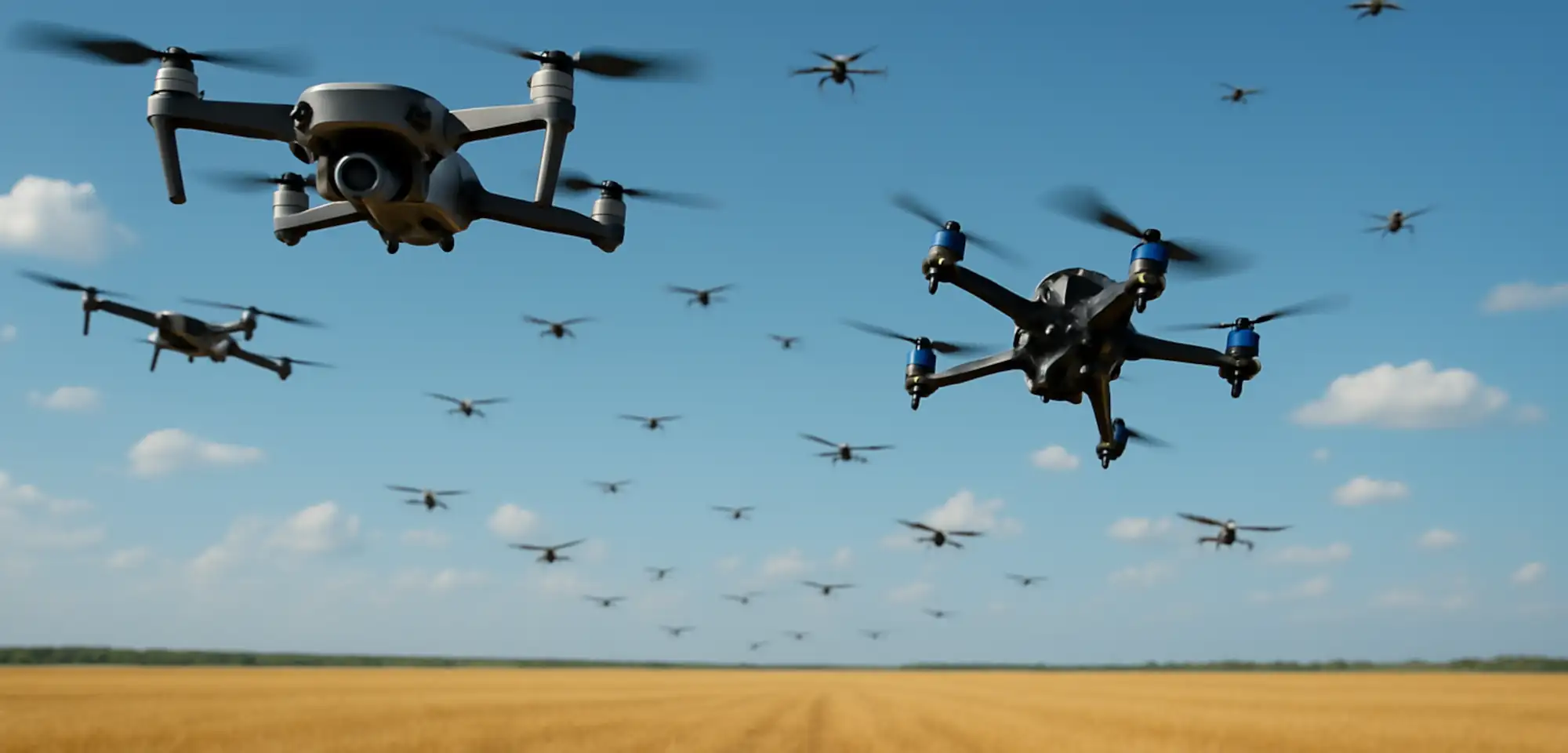
Unmanned aerial vehicles (UAVs), or drones, are used in many areas of our lives. They've revolutionized amateur aerial photography, found uses in agriculture and construction, and, of course, play a vital role in military applications. A key component that defines a UAV’s performance and longevity is the battery. Choosing the right battery ensures optimal flight time and operational safety.
The Role of Batteries in UAV Development
Batteries are the heart of any UAV. They power all systems.
As drone applications become more diverse and widespread, the demands on their batteries are becoming increasingly strict.
Key parameters affected by the battery:
- Flight time: Directly dependent on the battery’s capacity. The higher it is, the longer the drone can stay in the air. (Within the drone's payload limits)
- Weight and size: Batteries must be lightweight and compact to avoid overloading the drone and reducing its maneuverability.
- Safety: A critical characteristic, as overheating or damage can lead to serious consequences.
- Power delivery: Batteries must provide stable and sufficient energy to all systems, especially during high-power tasks.
The higher the battery quality, the more effective the UAV will be.
Battery Technologies for UAVs
Battery technology is constantly evolving. Today, the most common types are lithium-ion (Li-ion) and lithium-polymer (Li-Po) batteries. However, new technologies are emerging that may reshape the market.
Lithium-Ion Batteries (Li-ion)
- Provide high energy density
- Offer long service life
- Are widely used due to their availability and reliability
Lithium-Polymer Batteries (Li-Po)
- Offer diversity form factors, allowing them to fit more easily into drone designs
- Have lower energy density compared to Li-ion but deliver higher discharge currents
- Charge quickly and provide stable performance
Emerging Technologies
- Solid-state batteries are under development, offering higher energy density and improved safety compared to traditional liquid electrolytes.
- Sodium-ion batteries (Na-ion) are gradually advancing as a potential alternative to lithium-based options, potentially lowering costs and improving environmental sustainability.
LiPo vs Li-ion: How to Choose for Your Drone?
LiPo and Li-ion are the two most widely used battery types in drones.
LiPo batteries deliver high discharge currents and are ideal for drones that require bursts of power — such as FPV drones. However, they wear out faster and have shorter lifespans.
Li-ion batteries, on the other hand, have higher capacity and provide longer flight time — making them a better choice for reconnaissance, aerial photography, or monitoring missions where flight duration is key.
The main difference:
At the same weight, Li-ion offers more total energy, while LiPo delivers energy more quickly.
For example, switching from LiPo to Li-ion can extend flight time but may reduce the drone’s ability to perform fast maneuvers. So the choice depends on your mission: do you need maximum power output or maximum airtime?
Challenges and Future Outlook for UAV Batteries
Despite significant progress, there are still challenges in UAV battery use:
- Limited flight time remains a major issue, especially for commercial drones.
- Li-ion and Li-Po batteries carry risks of overheating and fire.
- Battery production and disposal have a significant environmental impact. More eco-friendly alternatives and recycling methods are needed.
However, future technologies offer promising improvements:
- New materials and chemistries could increase battery capacity and significantly extend UAV flight times.
- Lightweight, durable materials for batteries will help reduce UAV weight and improve efficiency.
- Shifting to environmentally friendly materials and greener production processes could mitigate environmental harm.
News and Reviews


01/09/2026
Top News for the Morning of September 1, 2026. Russia is using tactics of attrition against Kyiv
BTRY.ENERGY offers news and articles in Ukrainian with a focus on preserving Ukrainian identity, citizens' rights, and t...

31/08/2026
Pentagon: Arsenal to be expanded
BTRY.ENERGY offers news and articles in Ukrainian with a focus on preserving Ukrainian identity, citizens' rights, and t...

31/08/2026
Three major American publications focus on Ukraine. Why does this matter?
BTRY.ENERGY offers news and articles in Ukrainian with a focus on preserving Ukrainian identity, citizens' rights, and t...

31/08/2026
Top News for the Morning of August 31, 2026. The world has finally entered a global conflict
BTRY.ENERGY offers news and articles in Ukrainian with a focus on preserving Ukrainian identity, citizens' rights, and t...

28/08/2026
A new nuclear technology: micro-reactors. Why is this important?
BTRY.ENERGY offers news and articles in Ukrainian with a focus on preserving Ukrainian identity, citizens' rights, and t...
28/08/2026
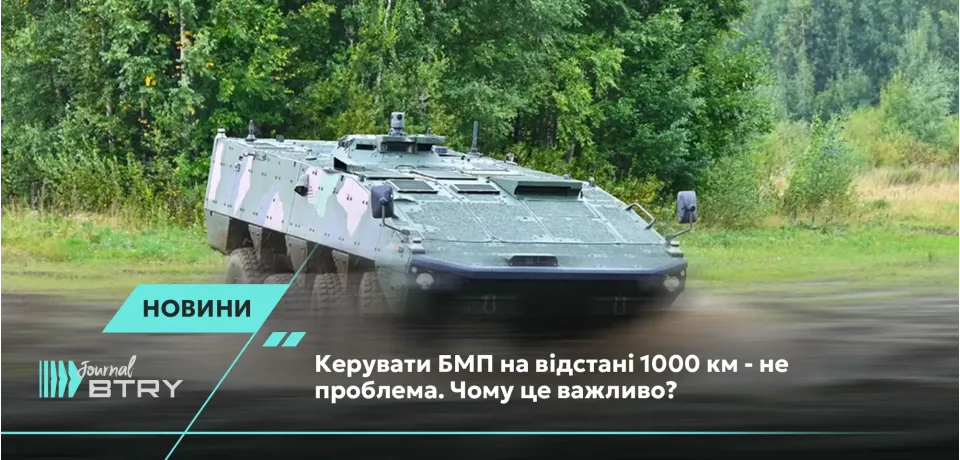
Operating an infantry fighting vehicle (IFV) from a distance of 1,000 km is not a problem. Why is this important?
BTRY.ENERGY offers news and articles in Ukrainian with a focus on preserving Ukrainian identity, citizens' rights, and t...
Consultation
Need more information?
Would you like to learn more about BTRY.ENERGY or get a personal consultation - fill out the form and we will contact you


