
 Product Catalog
02.05.25
Choosing the right battery is about balancing technology, safety, and real user needs — not blindly believing in myths.

Why this topic matters
Batteries are a key component in FPV drones, e-bikes, backup power systems (EW, ISR), and mobile devices. Their quality and proper selection directly affect not only performance but also safety, longevity, and operating costs. Despite this, the market remains full of myths, and users often rely on outdated assumptions.
Battery types: what’s relevant today
- Li-ion (Lithium-ion): The most common type. High energy density, stable performance, moderate weight. Suitable for most mobile applications.
- Li-Po (Lithium-Polymer): Lightweight and flexible in shape. Require careful monitoring of charge, temperature, and physical integrity.
- LiFePO₄ (Lithium Iron Phosphate): Safer, heat-resistant, and long-lasting. Often used in stationary energy storage solutions.
- NiMH / NiCd: Outdated technologies. Still found in household devices or niche applications.
Myths you should forget
| Myth | Reality |
| Batteries must be fully discharged | This applies only to NiCd. Li-Ion and Li-Po do not need it, and full discharge may even be harmful. Keeping the charge between 20–80% is recommended |
| Charging overnight damages the battery | Modern chargers include auto shut-off after full charge. Overnight charging will not harm the battery |
| All batteries are the same | Quality varies greatly depending on the manufacturer. Trusted brands ensure high reliability and safety |
Practical tips
- Charge correctly: use balancing chargers and never exceed the recommended voltage.
- Avoid deep discharge: for Li-Ion — not below 2.5V, for Li-Po — not below 3.3V per cell.
- Temperature range: do not charge below 0°C or above 45°C.
- Storage: if not in use, keep the battery at 50–70% charge.
- Physical inspection: check for swelling, cracks, or signs of overheating.
- BMS and balancing: mandatory in large systems — not just an “option” but a safety requirement.
News and Reviews


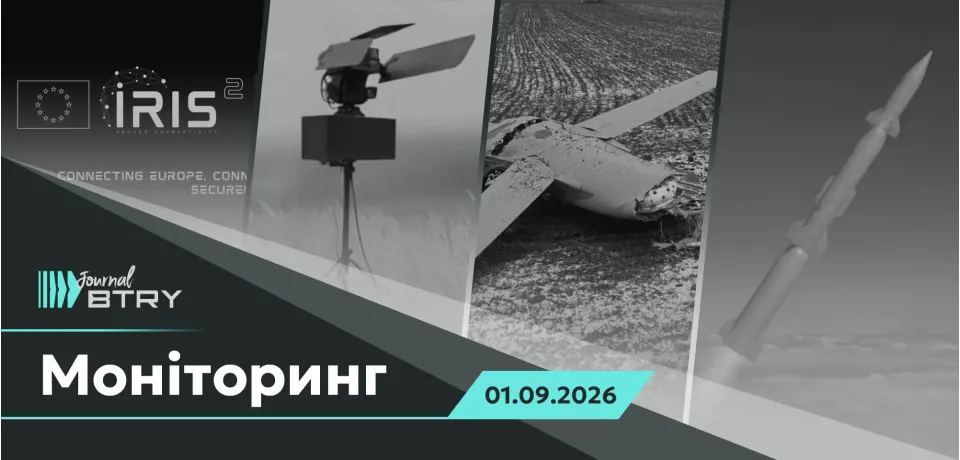
01/09/2026
Top News for the Morning of September 1, 2026. Russia is using tactics of attrition against Kyiv
BTRY.ENERGY offers news and articles in Ukrainian with a focus on preserving Ukrainian identity, citizens' rights, and t...
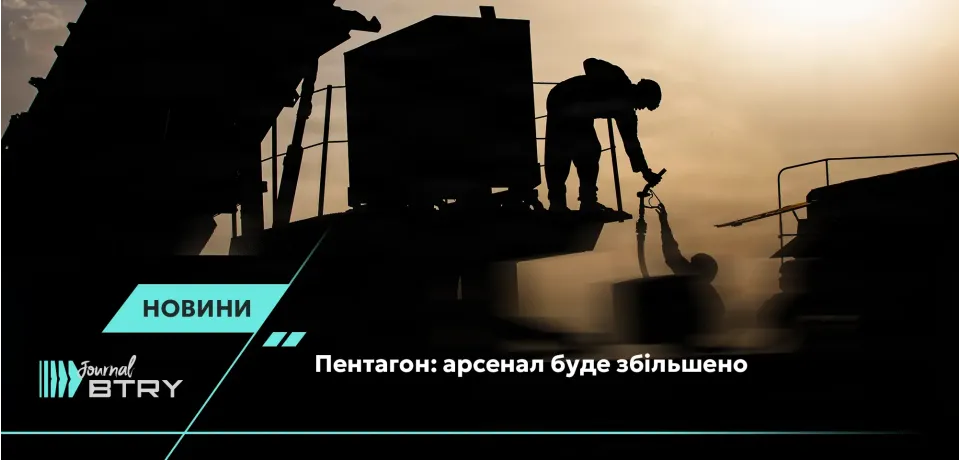
31/08/2026
Pentagon: Arsenal to be expanded
BTRY.ENERGY offers news and articles in Ukrainian with a focus on preserving Ukrainian identity, citizens' rights, and t...

31/08/2026
Three major American publications focus on Ukraine. Why does this matter?
BTRY.ENERGY offers news and articles in Ukrainian with a focus on preserving Ukrainian identity, citizens' rights, and t...
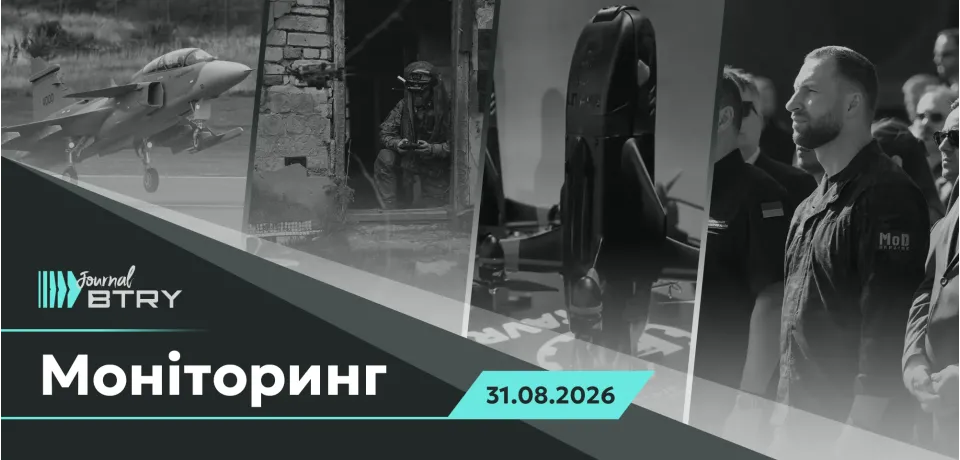
31/08/2026
Top News for the Morning of August 31, 2026. The world has finally entered a global conflict
BTRY.ENERGY offers news and articles in Ukrainian with a focus on preserving Ukrainian identity, citizens' rights, and t...
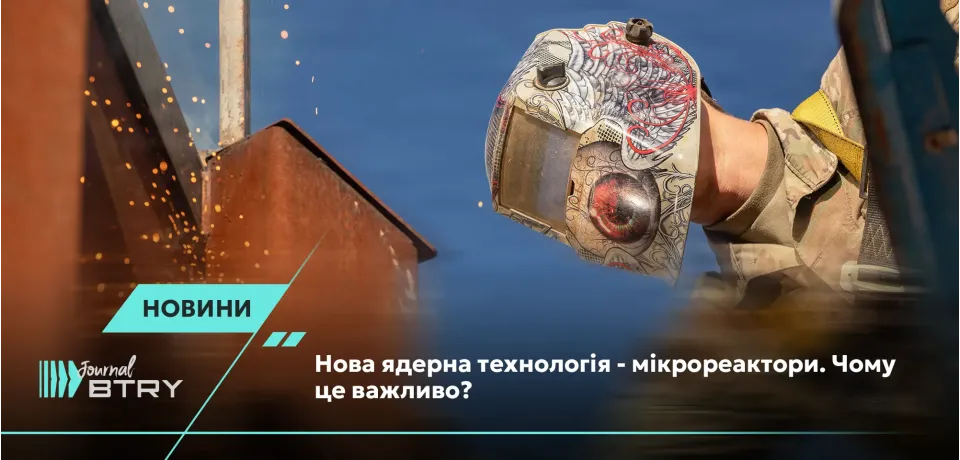
28/08/2026
A new nuclear technology: micro-reactors. Why is this important?
BTRY.ENERGY offers news and articles in Ukrainian with a focus on preserving Ukrainian identity, citizens' rights, and t...
28/08/2026
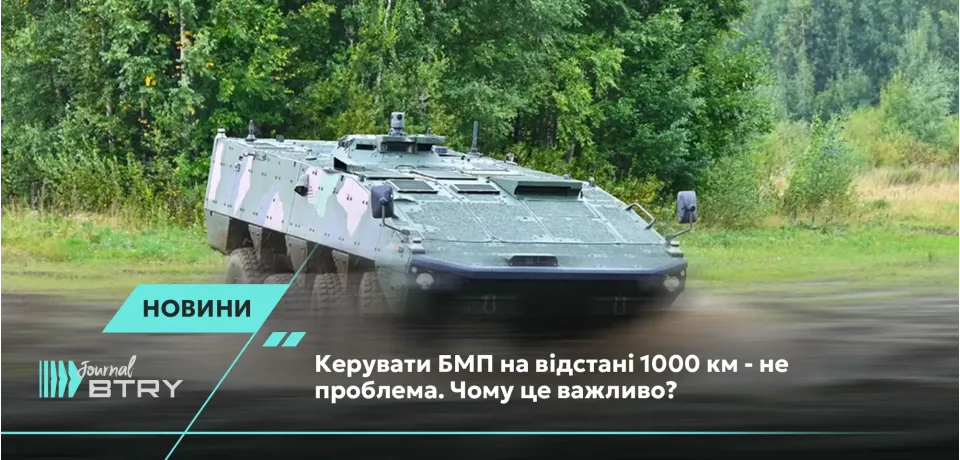
Operating an infantry fighting vehicle (IFV) from a distance of 1,000 km is not a problem. Why is this important?
BTRY.ENERGY offers news and articles in Ukrainian with a focus on preserving Ukrainian identity, citizens' rights, and t...
Consultation
Need more information?
Would you like to learn more about BTRY.ENERGY or get a personal consultation - fill out the form and we will contact you


