
 Product Catalog
02.08.25
Proper charging and operation of batteries are key to their longevity, efficiency, and safe performance, regardless of the device type.

Batteries have firmly entered our daily lives, giving us freedom and mobility. But for them to serve long and reliably, it is necessary to know how to charge and use them correctly. It is worth looking at the main recommendations for charging different types of batteries. We will share tips on extending their service life and warn about typical mistakes that users often make.
Proper Charging Methods for Different Battery Types
Lithium-ion batteries are the true "workhorses" of today. To make them last longer, you should follow a few simple rules:
- The optimal charge level for such batteries is from 20% to 80%.
- A full discharge and charging to 100% can accelerate their wear.
- Charge devices only with the manufacturer's recommended chargers to avoid overheating and damage.
- Charge at a temperature of 10°C to 30°C to avoid battery overheating.
NiMH devices require special attention:
- Avoid the memory effect by fully discharging the battery before charging.
- Slow charging is better, as it reduces heat and increases battery life.
- Regularly use and recharge the battery to avoid losing capacity.
Lead-acid batteries also require special care:
- The best mode for such batteries is constant recharging, as in uninterruptible power supplies (UPS).
- Charge at a temperature of 20-25°C. At lower temperatures, the process may take longer.
- A full discharge shortens the battery life, so maintain the charge at a level no lower than 50%.
There are several rules that can extend the life of a battery, regardless of the device type.
Tips for Extending Battery Life
Here are some useful tips for operating battery packs:
- Follow the manufacturer's instructions for battery care, including cleaning the contacts and checking the electrolyte level (if applicable).
- Store batteries in a cool, dry place, avoiding a full discharge or charge to 100%.
- High and low temperatures negatively affect the device's capacity and can shorten its service life.
Typical Mistakes When Using and Charging Batteries:
- Do not leave the device on charge longer than necessary; this can lead to its overheating and damage.
- Non-original or low-quality charging stations may not meet the battery's requirements and lead to its failure.
- A full discharge of Li-ion batteries shortens their service life. It is better to charge them when the charge level is around 20%.
- Charging at very high or low temperatures can damage the battery and shorten its service life.
- Manufacturers provide instructions for proper use and charging. Ignoring these recommendations can lead to reduced performance and battery damage.
Proper charging and operation of batteries play a key role in their longevity and efficiency. By following the basic recommendations and avoiding typical mistakes, you can significantly extend their service life and ensure correct operation. Regardless of the battery type, regular maintenance and attention to detail will help you get the most out of your device.
News and Reviews


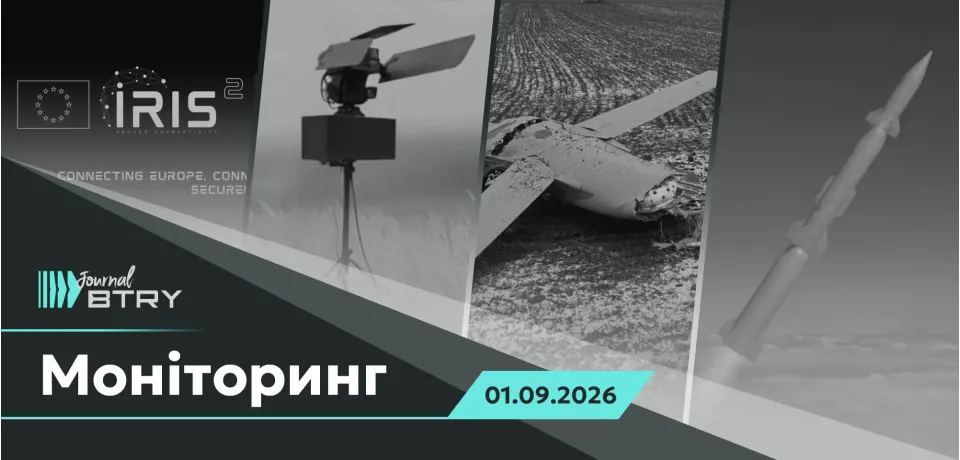
01/09/2026
Top News for the Morning of September 1, 2026. Russia is using tactics of attrition against Kyiv
BTRY.ENERGY offers news and articles in Ukrainian with a focus on preserving Ukrainian identity, citizens' rights, and t...

31/08/2026
Pentagon: Arsenal to be expanded
BTRY.ENERGY offers news and articles in Ukrainian with a focus on preserving Ukrainian identity, citizens' rights, and t...

31/08/2026
Three major American publications focus on Ukraine. Why does this matter?
BTRY.ENERGY offers news and articles in Ukrainian with a focus on preserving Ukrainian identity, citizens' rights, and t...

31/08/2026
Top News for the Morning of August 31, 2026. The world has finally entered a global conflict
BTRY.ENERGY offers news and articles in Ukrainian with a focus on preserving Ukrainian identity, citizens' rights, and t...

28/08/2026
A new nuclear technology: micro-reactors. Why is this important?
BTRY.ENERGY offers news and articles in Ukrainian with a focus on preserving Ukrainian identity, citizens' rights, and t...
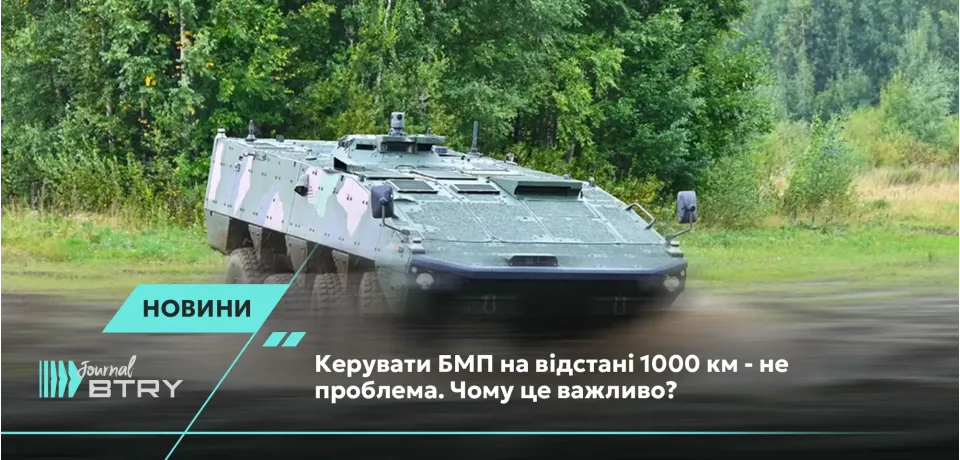
28/08/2026
Operating an infantry fighting vehicle (IFV) from a distance of 1,000 km is not a problem. Why is this important?
BTRY.ENERGY offers news and articles in Ukrainian with a focus on preserving Ukrainian identity, citizens' rights, and t...
Consultation
Need more information?
Would you like to learn more about BTRY.ENERGY or get a personal consultation - fill out the form and we will contact you


