
 Product Catalog
18.12.25
The international policy of the Trump administration distanced the United States from Europe, while creating new opportunities for Ukraine’s defence industry – 2026 may mark the beginning of an unprecedented rapprochement with the EU

In December 2025, new opportunities for Ukraine’s military-technical cooperation with Europe emerged, resulting from the U.S. distancing itself from NATO and European capitals realizing the impossibility of building a security system without Ukraine. The EU approved the EDIP program, allocating €300 million for the integration of Ukraine’s defence industry, as well as the Brave1 - EU4UA Defence Tech grant initiative (€3.3 million) to counter Russian drones. Germany launched a “comprehensive defence partnership” with Ukraine, exemplified by the joint venture between Quantum Systems and Frontline Robotics — Quantum Frontline Industries, which plans to produce over 10,000 drones annually. The United Kingdom allocated $804 million for air defence and initiated the Octopus project to produce interceptor drones. In missile technology, Ukraine is developing the “Long Neptune” (range up to 1,000 km), negotiating with MBDA Italy and Leonardo, and may join European programs such as FC/ASW and Aster 30. Germany is working on the RCM² missile (500 km), France on a ballistic missile (1,000 km), while the U.S., through Lockheed Martin and the ERAM project, is offering new solutions for Ukraine. Meanwhile, Ukrainian companies such as Vyriy Drone and TAF Drones are increasing localization of FPV drone production, and Lithuania’s Granta Autonomy is already purchasing Ukrainian components. All of this demonstrates that Ukraine is becoming not only Europe’s shield but also an active participant in shaping the continent’s new defence architecture.
Read the full article [IN UKRAINIAN]
News and Reviews


01/09/2026
Top News for the Morning of September 1, 2026. Russia is using tactics of attrition against Kyiv
BTRY.ENERGY offers news and articles in Ukrainian with a focus on preserving Ukrainian identity, citizens' rights, and t...
31/08/2026
Pentagon: Arsenal to be expanded
BTRY.ENERGY offers news and articles in Ukrainian with a focus on preserving Ukrainian identity, citizens' rights, and t...
31/08/2026
Three major American publications focus on Ukraine. Why does this matter?
BTRY.ENERGY offers news and articles in Ukrainian with a focus on preserving Ukrainian identity, citizens' rights, and t...
31/08/2026
Top News for the Morning of August 31, 2026. The world has finally entered a global conflict
BTRY.ENERGY offers news and articles in Ukrainian with a focus on preserving Ukrainian identity, citizens' rights, and t...
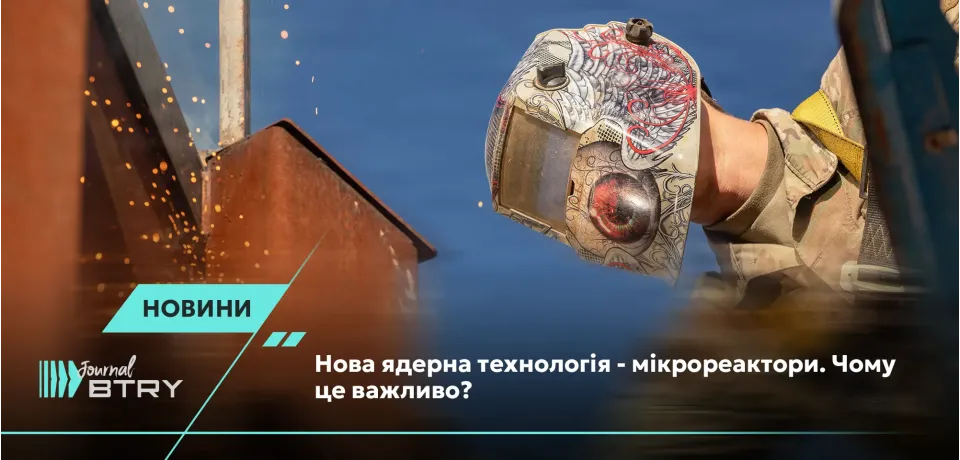
28/08/2026
A new nuclear technology: micro-reactors. Why is this important?
BTRY.ENERGY offers news and articles in Ukrainian with a focus on preserving Ukrainian identity, citizens' rights, and t...
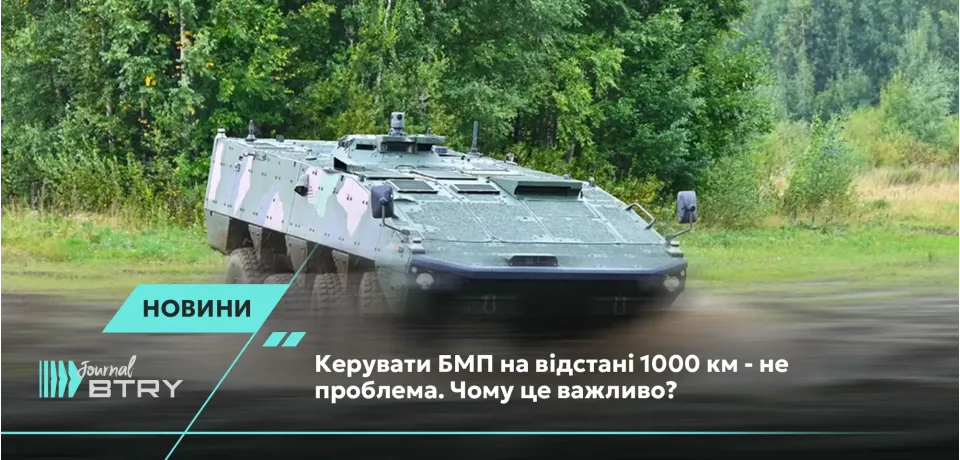
28/08/2026
Operating an infantry fighting vehicle (IFV) from a distance of 1,000 km is not a problem. Why is this important?
BTRY.ENERGY offers news and articles in Ukrainian with a focus on preserving Ukrainian identity, citizens' rights, and t...
Consultation
Need more information?
Would you like to learn more about BTRY.ENERGY or get a personal consultation - fill out the form and we will contact you


