
 Product Catalog
27.02.26
Robotic technology has become a full-fledged infrastructure of war and a real response to the protracted nature of combat and resource exhaustion
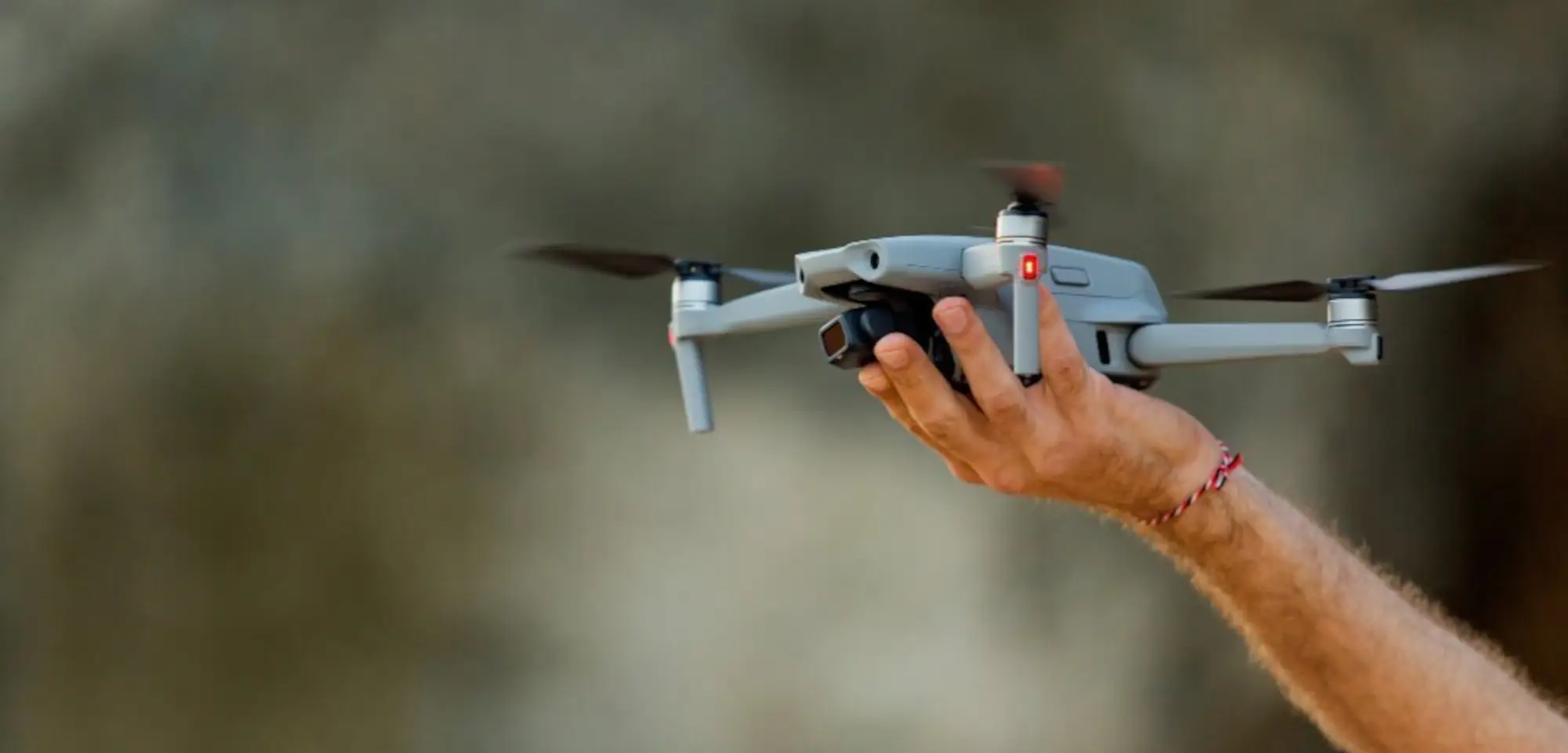
In February 2026, the technological front of the war was marked by breakthroughs in unmanned aviation, ground robotic systems, and electronic warfare. A Turkish company successfully tested a swarm of 20 Kargu drones equipped with warheads, while Destinus unveiled long-range strike drones Lord 1 and Lord 2 with a range of over 1,000 km. General Atomics introduced the new unmanned fighter YFQ-42A Dark Merlin, and Baykar successfully tested the Bayraktar Akinci using the loitering munition Eren. In Ukraine, Stark opened a new R&D center, and Diehl Defence presented the Garmr MRS counter-drone defense system with a range of up to 70 km. Ukrainian innovations included the OCTOPUS interceptor drone by UNWAVE, the kamikaze drone “Steppe Wind,” the autonomous SEEDIS system by SEE and NAUDI, an FPV drone carrying a 120-mm mortar round by Ukrainian Armor, and the Lens 3.0 bomber drone by Frontline Robotics. AeroMotors secured $550,000 in investments to scale electric motor production, while Ukrspecsystems launched UAV manufacturing in the UK. Significant international agreements were also signed between Ukrainian companies and partners in Denmark, Finland, and Latvia worth around €800 million. In the UGV sector, Quantum Systems introduced the modular MANDRILL, and Frontline Robotics integrated the “Burya” turret with the Mk 19 grenade launcher into the ARDAL complex; Ratel H received a platform for launching FPV drones, while Roboneers developed the Shadow simulator for operator training. In electronic warfare, Ukraine’s Ministry of Defense implemented the ULZ system based on SAP, enabling transparent real-time management of EW assets.
Read the full article [IN UKRAINIAN]
News and Reviews


01/09/2026
Top News for the Morning of September 1, 2026. Russia is using tactics of attrition against Kyiv
BTRY.ENERGY offers news and articles in Ukrainian with a focus on preserving Ukrainian identity, citizens' rights, and t...
31/08/2026
Pentagon: Arsenal to be expanded
BTRY.ENERGY offers news and articles in Ukrainian with a focus on preserving Ukrainian identity, citizens' rights, and t...
31/08/2026
Three major American publications focus on Ukraine. Why does this matter?
BTRY.ENERGY offers news and articles in Ukrainian with a focus on preserving Ukrainian identity, citizens' rights, and t...
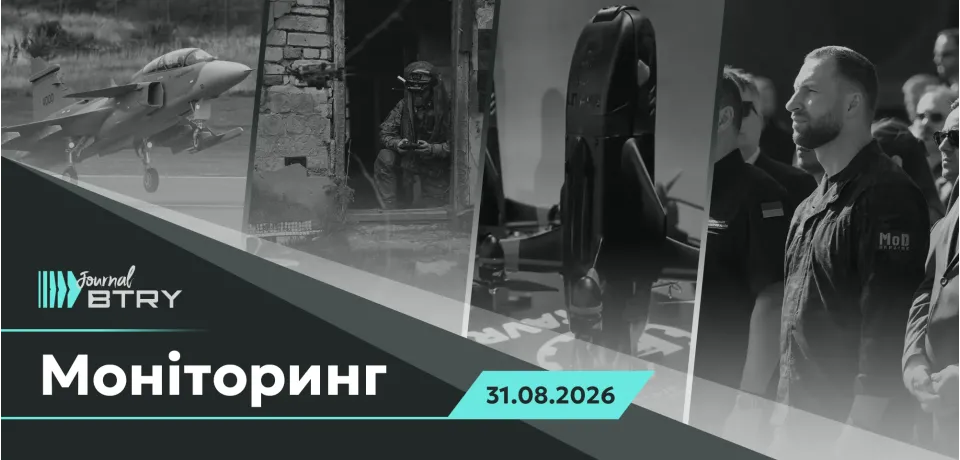
31/08/2026
Top News for the Morning of August 31, 2026. The world has finally entered a global conflict
BTRY.ENERGY offers news and articles in Ukrainian with a focus on preserving Ukrainian identity, citizens' rights, and t...
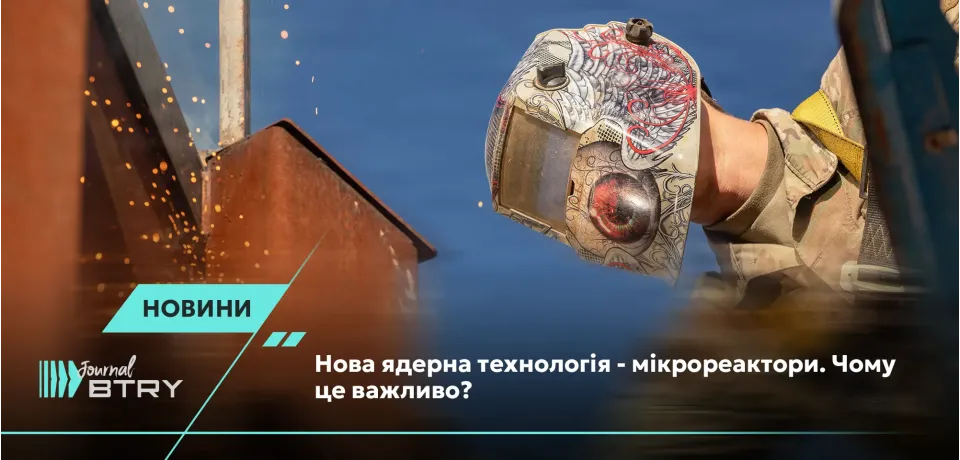
28/08/2026
A new nuclear technology: micro-reactors. Why is this important?
BTRY.ENERGY offers news and articles in Ukrainian with a focus on preserving Ukrainian identity, citizens' rights, and t...
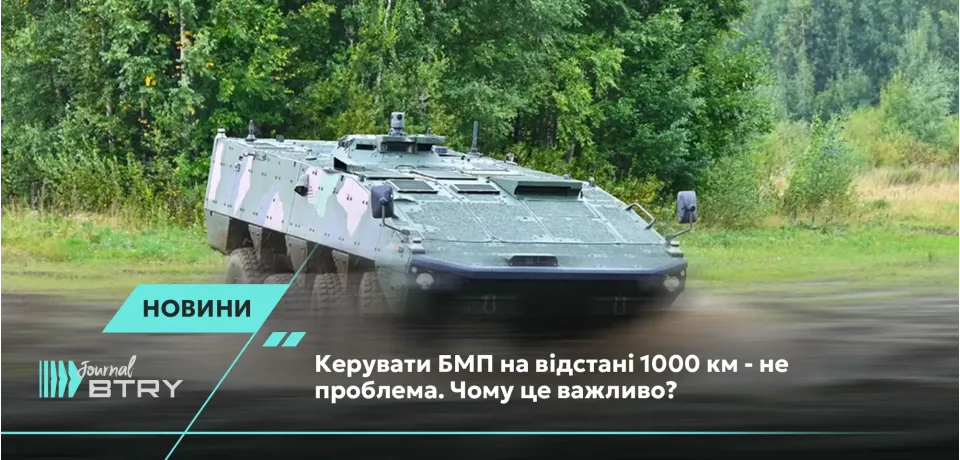
28/08/2026
Operating an infantry fighting vehicle (IFV) from a distance of 1,000 km is not a problem. Why is this important?
BTRY.ENERGY offers news and articles in Ukrainian with a focus on preserving Ukrainian identity, citizens' rights, and t...
Consultation
Need more information?
Would you like to learn more about BTRY.ENERGY or get a personal consultation - fill out the form and we will contact you


