
 Product Catalog
18.10.25
Exploring the deep transformation of modern armies under the influence of the war in Ukraine. How Ukraine, by using cheap and innovative technologies, has set a new paradigm for warfare
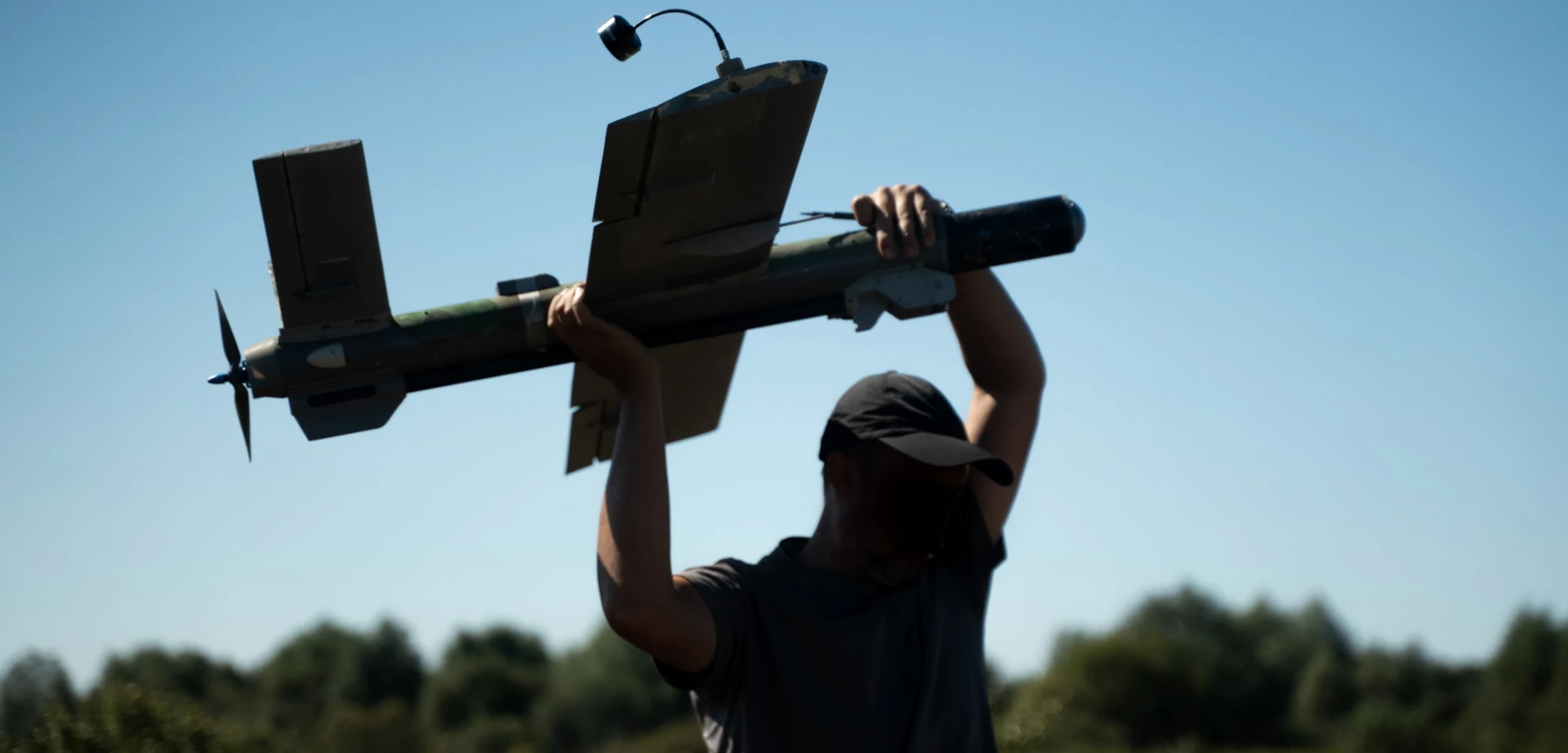
Ukraine has set a new paradigm for warfare — the mass deployment of affordable, tech-driven drones, multi-domain solutions, and asymmetric tactics. Civilian drones, improvised explosive devices, autonomous platforms with EW and AI have become the backbone of a new combat logic capable of exhausting complex enemy weapons and blurring the front line. The U.S. introduced the Vectis drone fighter (Lockheed Martin), China unveiled a heavy UAV with a cranked kite design, and Japan launched the SHIELD system to integrate drones across all military branches. South Korea abandoned its aircraft carrier project in favor of combat naval drones (Hyundai Heavy Industries), while Hanwha developed a drone-based version of the Chunmoo system. Turkey tested the Bayraktar TB3 with a hypersonic IHA-122 missile (Roketsan) and began serial production of the jet-powered Kizilelma with a Ukrainian AI-322F engine (Ivchenko-Progress). The UK announced a shift toward an army where 80% of forces are unmanned. New branches are emerging: cyber forces, space forces, and drone-based air defense systems. Instead of heavy equipment — mobile units with precision weapons capable of operating autonomously in a multi-domain environment.
Read the full article [IN UKRAINIAN]
News and Reviews


01/09/2026
Top News for the Morning of September 1, 2026. Russia is using tactics of attrition against Kyiv
BTRY.ENERGY offers news and articles in Ukrainian with a focus on preserving Ukrainian identity, citizens' rights, and t...
31/08/2026
Pentagon: Arsenal to be expanded
BTRY.ENERGY offers news and articles in Ukrainian with a focus on preserving Ukrainian identity, citizens' rights, and t...
31/08/2026
Three major American publications focus on Ukraine. Why does this matter?
BTRY.ENERGY offers news and articles in Ukrainian with a focus on preserving Ukrainian identity, citizens' rights, and t...
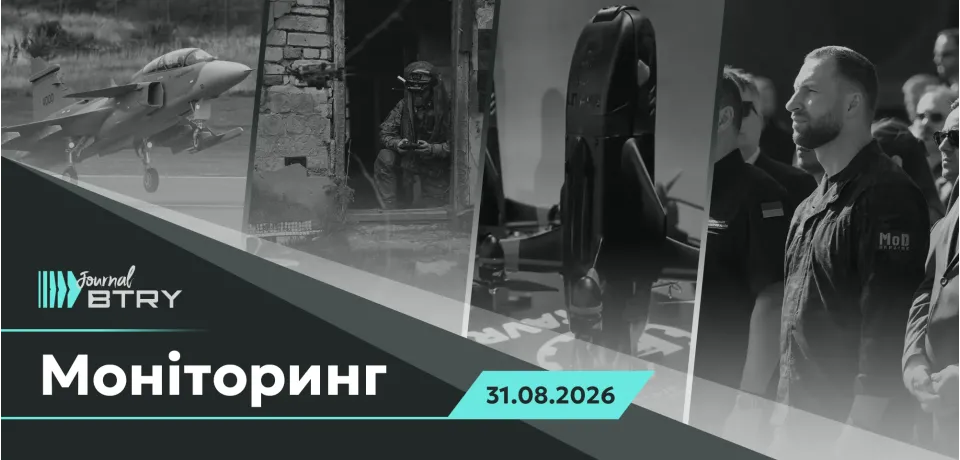
31/08/2026
Top News for the Morning of August 31, 2026. The world has finally entered a global conflict
BTRY.ENERGY offers news and articles in Ukrainian with a focus on preserving Ukrainian identity, citizens' rights, and t...
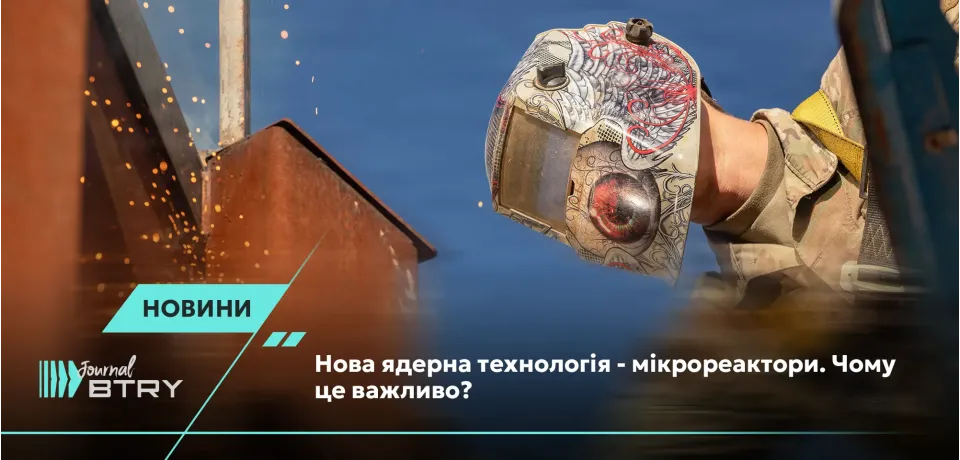
28/08/2026
A new nuclear technology: micro-reactors. Why is this important?
BTRY.ENERGY offers news and articles in Ukrainian with a focus on preserving Ukrainian identity, citizens' rights, and t...
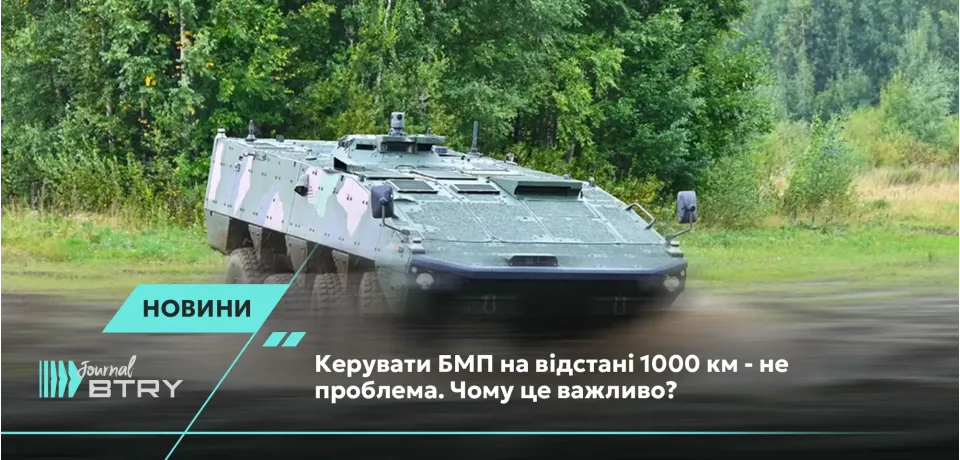
28/08/2026
Operating an infantry fighting vehicle (IFV) from a distance of 1,000 km is not a problem. Why is this important?
BTRY.ENERGY offers news and articles in Ukrainian with a focus on preserving Ukrainian identity, citizens' rights, and t...
Consultation
Need more information?
Would you like to learn more about BTRY.ENERGY or get a personal consultation - fill out the form and we will contact you


