
 Product Catalog
14.11.25
How Black Friday originated. How the event came to Ukraine and how Ukrainian retail adapted to wartime conditions

Black Friday is an international sales day that originated in the USA as a commercial event after Thanksgiving. Over time, this event transformed into a global occasion that annually activates retail and stimulates consumer demand through discounts, promotions, and online campaigns.
Under the war conditions in Ukraine, the Black Friday format underwent changes. Buyer behavior became restrained, and retailers adapted their strategies. Let us examine in more detail the history of this event, how it began and developed, as well as how the war affected sellers and buyers.
Origin of the term "Black Friday"
The term "Black Friday" first appeared in the USA in the mid-20th century. It was used by Philadelphia police officers to describe the heavy traffic and chaos that occurred on the Friday after Thanksgiving when crowds went shopping. Later, the term was applied in the context of sales and took on a positive meaning. The event did not have a fixed date because it depended on Thanksgiving in the USA, but Black Friday always falls on the last Friday of November.
In the 1980s, marketers reinterpreted the term by linking it to the business moving "into the black" — meaning profitability after a loss period. This transformed Black Friday into an annual commercial event covering both physical stores and online platforms.
Black Friday: First sales in Ukraine
For the first time, a marketing event with sales appeared in Ukraine in 2013. The first sellers to launch promotions were Rozetka, Comfy, and Lamoda. Although the first campaigns were limited in scale and duration, they sparked interest among buyers.
Of course, over the years, Ukrainian retailers have developed their own approaches to Black Friday. Discounts became much more noticeable, and the duration also increased. The event covered all business areas and by 2020 was already perceived as an anticipated shopping period.
Impact of war on marketing campaigns
After the full-scale invasion began in February 2022, the Black Friday event in Ukraine underwent changes. Retailers began reducing the aggressiveness of promo campaigns and avoided slogans to not appear unethical in the eyes of Ukrainians during hostilities. Some companies completely abandoned promotions during escalations, others integrated charitable initiatives into their sales.
Ukrainians began mainly choosing necessary goods instead of impulsive purchases, as volunteering and charitable fundraising intensified. People started refraining from impulsive buying to donate to the Armed Forces of Ukraine. This forced retail to adapt its assortment. By lowering the event's volume, discounts on goods became moderate, and the duration of promotions shorter.
Commercial event in unstable times
Black Friday remains a symbol of consumer frenzy — a loud event that started in the USA and spread worldwide. Although the volume of the event for Ukraine has decreased in wartime conditions, themed discounts and promotions can still be seen.
Our business is learning to work under uncertainty. Ukrainian retailers did not abandon Black Friday; they adapted it to current reality.
News and Reviews


01/09/2026
Top News for the Morning of September 1, 2026. Russia is using tactics of attrition against Kyiv
BTRY.ENERGY offers news and articles in Ukrainian with a focus on preserving Ukrainian identity, citizens' rights, and t...
31/08/2026
Pentagon: Arsenal to be expanded
BTRY.ENERGY offers news and articles in Ukrainian with a focus on preserving Ukrainian identity, citizens' rights, and t...
31/08/2026
Three major American publications focus on Ukraine. Why does this matter?
BTRY.ENERGY offers news and articles in Ukrainian with a focus on preserving Ukrainian identity, citizens' rights, and t...
31/08/2026
Top News for the Morning of August 31, 2026. The world has finally entered a global conflict
BTRY.ENERGY offers news and articles in Ukrainian with a focus on preserving Ukrainian identity, citizens' rights, and t...
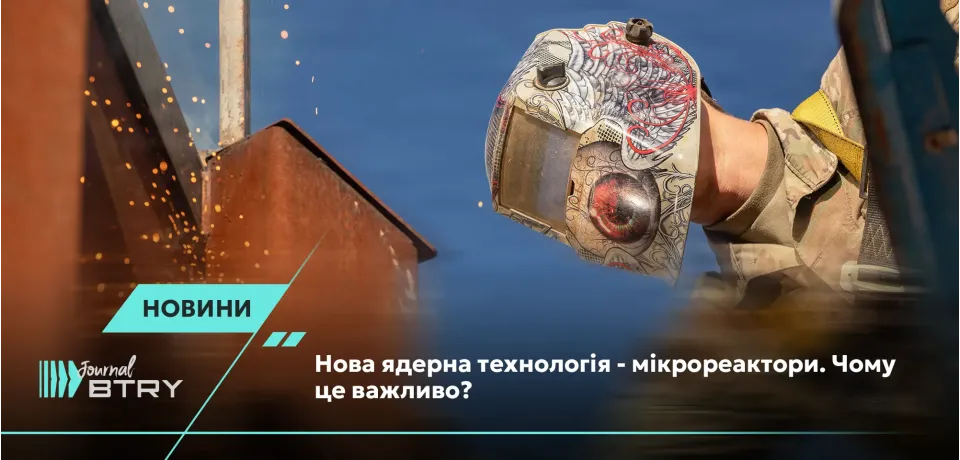
28/08/2026
A new nuclear technology: micro-reactors. Why is this important?
BTRY.ENERGY offers news and articles in Ukrainian with a focus on preserving Ukrainian identity, citizens' rights, and t...
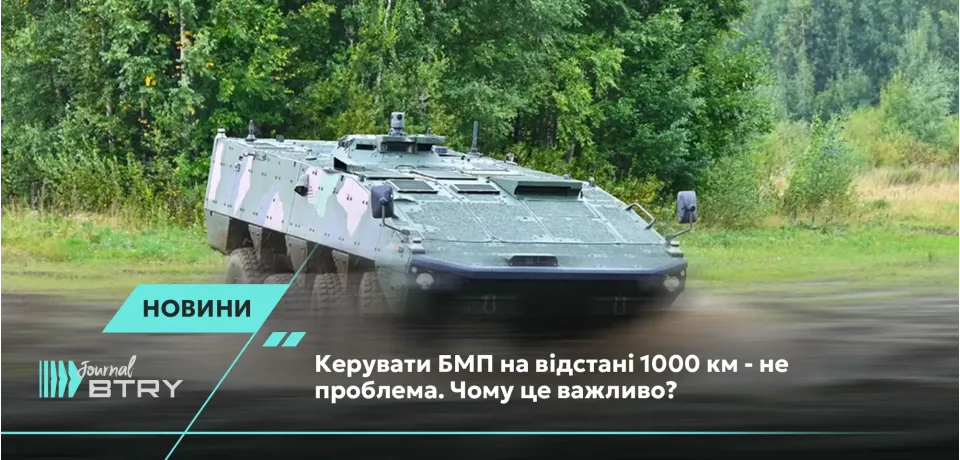
28/08/2026
Operating an infantry fighting vehicle (IFV) from a distance of 1,000 km is not a problem. Why is this important?
BTRY.ENERGY offers news and articles in Ukrainian with a focus on preserving Ukrainian identity, citizens' rights, and t...
Consultation
Need more information?
Would you like to learn more about BTRY.ENERGY or get a personal consultation - fill out the form and we will contact you


