
 Product Catalog
04.11.25
Have you ever thought about how war has changed our shopping habits? We used to look for discounts on gadgets — now we look for discounts on tourniquets. A reevaluation of consumption: what’s behind the new behavior of Ukrainians?
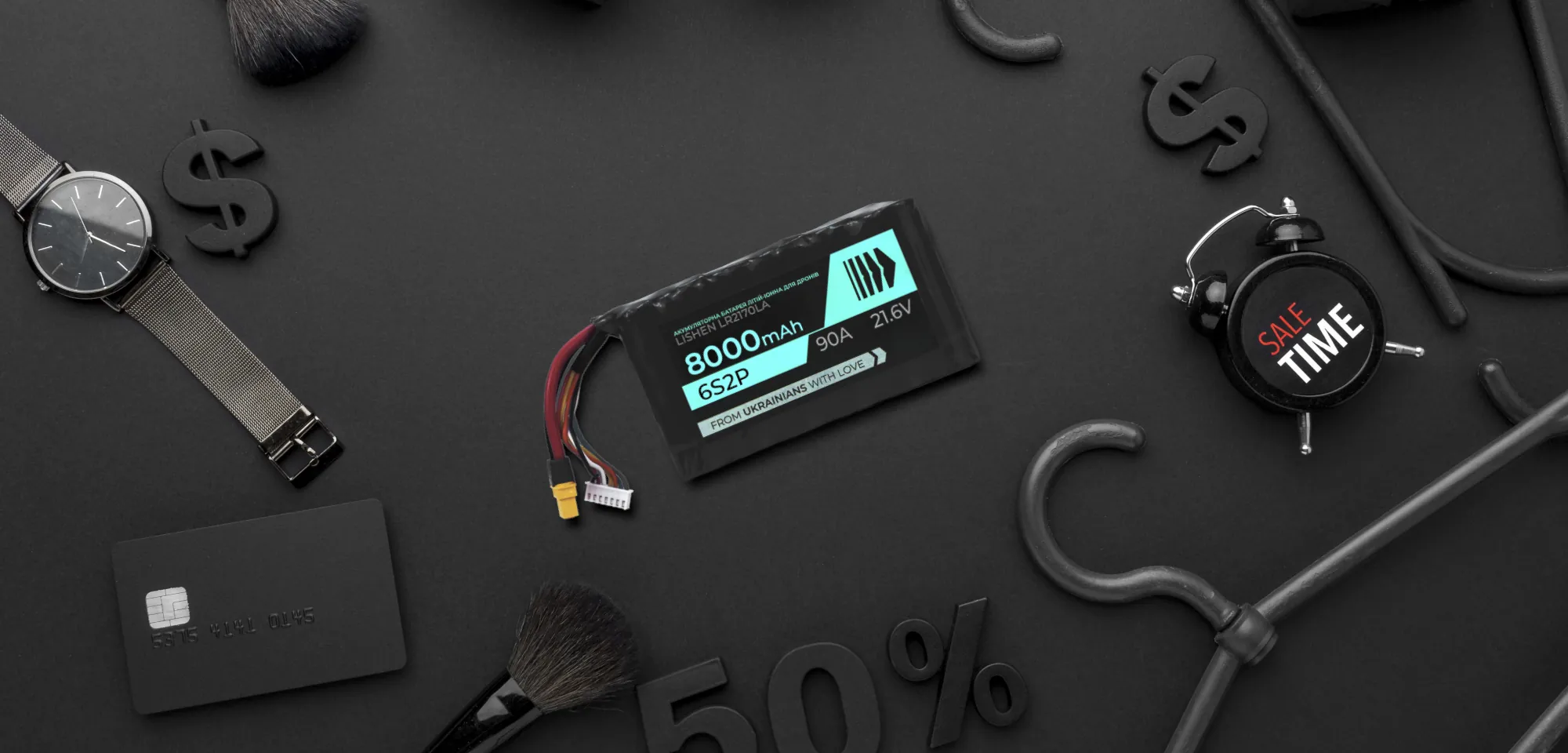
Global 11.11 Holiday and Its Ukrainian Adaptation
The global Shopping Day, known as 11.11 or Singles' Day, originated in China as a student celebration. However, Alibaba Group used this date to boost sales. Although in the first year (2009), when they offered discounts on their platforms, the sales volume was only $7 million — it marked the beginning of the world’s largest shopping day.
In Ukraine, the holiday quickly integrated into society. Until 2022, it was a typical day of hype and discounts, similar to Black Friday or other such events. But after the full-scale invasion of Ukraine by Russia, the role and meaning of Shopping Day changed — turning simple purchases for personal needs into rational consumption.
Shopping as Entertainment and Shopping as a Tool of Support
As mentioned earlier, in peacetime, shopping during sales was mostly an emotional pastime aimed at satisfying personal needs. In wartime, its function has transformed, creating a sharp emotional contrast.
The main motivation of buyers shifted from personal pleasure, savings, and entertainment to supporting the economy, volunteering, and meeting basic military needs. Accordingly, the role of the buyer evolved from a typical consumer looking for a good deal to someone who wants to support their defenders.
This shift also affected the types of goods people choose to buy: instead of gadgets, clothing, and luxury items, Ukrainians often buy drones, tourniquets, generators, and thermal imagers to send to the front. The emotional tone shifted from hype and euphoria over discounts to conscious choice and a sense of contribution to a common cause.
The Economic Impact of Shopping
Shopping Day and other sales events have become opportunities for volunteer organizations and socially responsible businesses.
Volunteers actively use sales days to make large-scale purchases of essential military equipment. A 10–20% discount on a bulk order of drones, radios, or medical supplies can mean enough savings to buy additional gear.
Ukrainian brands and retailers have integrated support for the Armed Forces into their business models. During 11.11 and Black Friday, companies often announce:
- A fixed percentage of profits donated to the army
- Special “volunteer” products, with all profits going toward military equipment
- Partnerships with foundations, where part of the customer’s discount becomes a donation
Transformation of Consumer Behavior: Conscious Choice
The internal conflict that arises for consumers ("buy something new or donate?") during the Russian-Ukrainian war is often resolved in favor of conscious choice.
- Prioritization: Consumer behavior has shifted from impulsive purchases to careful planning and buying items that improve safety and comfort (generators, power banks, warm clothing).
- Support for Domestic Producers: As patriotism grows and people want to support the economy, Ukrainians increasingly choose and consider national brands.
- Conscious purchases: People have realized that in addition to meeting their own needs, they can also donate to the Armed Forces — even if it’s a small amount.
A New Meaning for Shopping Day in Ukraine
In Ukraine, the phenomenon of Global Shopping Day (11.11) has taken on a unique social meaning. It’s not just a chance to get a discount — it’s a chance to contribute to the country’s resilience. The slogans "Shop to help" or "Discounts for victory" perfectly reflect the current reality.
News and Reviews


01/09/2026
Top News for the Morning of September 1, 2026. Russia is using tactics of attrition against Kyiv
BTRY.ENERGY offers news and articles in Ukrainian with a focus on preserving Ukrainian identity, citizens' rights, and t...
31/08/2026
Pentagon: Arsenal to be expanded
BTRY.ENERGY offers news and articles in Ukrainian with a focus on preserving Ukrainian identity, citizens' rights, and t...
31/08/2026
Three major American publications focus on Ukraine. Why does this matter?
BTRY.ENERGY offers news and articles in Ukrainian with a focus on preserving Ukrainian identity, citizens' rights, and t...
31/08/2026
Top News for the Morning of August 31, 2026. The world has finally entered a global conflict
BTRY.ENERGY offers news and articles in Ukrainian with a focus on preserving Ukrainian identity, citizens' rights, and t...
28/08/2026
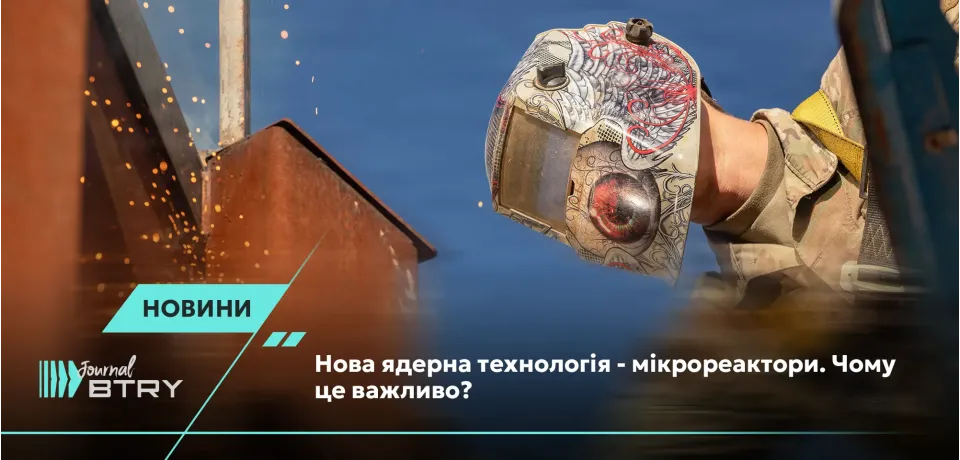
A new nuclear technology: micro-reactors. Why is this important?
BTRY.ENERGY offers news and articles in Ukrainian with a focus on preserving Ukrainian identity, citizens' rights, and t...
28/08/2026
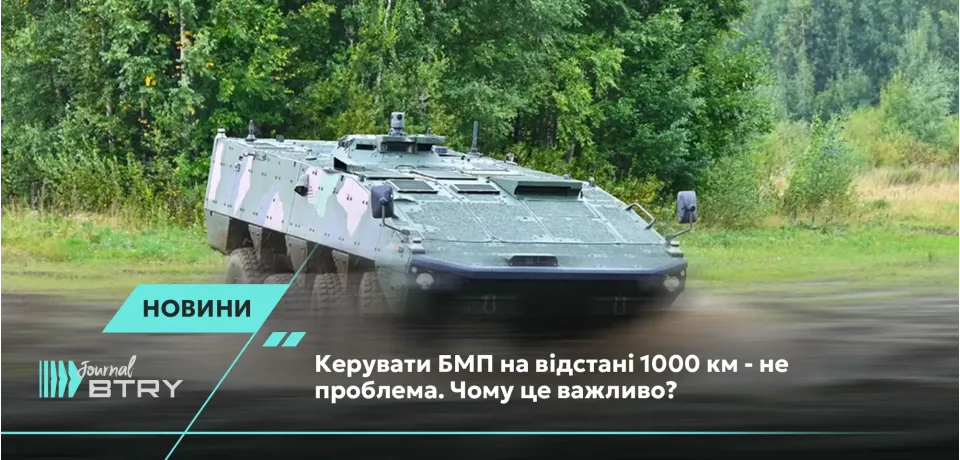
Operating an infantry fighting vehicle (IFV) from a distance of 1,000 km is not a problem. Why is this important?
BTRY.ENERGY offers news and articles in Ukrainian with a focus on preserving Ukrainian identity, citizens' rights, and t...
Consultation
Need more information?
Would you like to learn more about BTRY.ENERGY or get a personal consultation - fill out the form and we will contact you


